Author: Ana Laura Lozano | Share
Frequencies of Change: On Music, Narratives, and Why Artivism Matters
Before a society changes its laws, policies or institutions, it often changes the stories it tells about itself. The questions it considers legitimate begin to shift, as do the voices it listens to, the futures it can imagine, and the injustices it no longer accepts as inevitable. Music has accompanied many of these processes. It has given language to shared experiences, helped build collective identities, and carried ideas into places where other forms of discourse encounter limits.
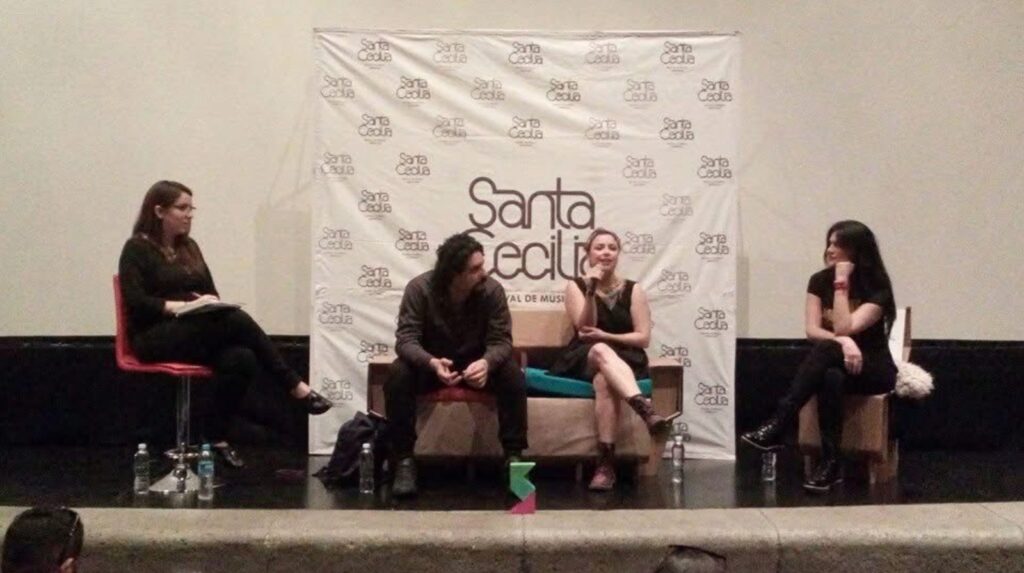
Music has also played a defining role in my own life. Growing up in a restrictive environment, it was one of the first things that showed me the world was larger than I had been led to believe, and that there were other ways to understand justice, to use one’s voice, and to build an identity. Over time, I came to realize that this experience was far from unique.
Music accompanies human life in ways few forms of expression can. Part of the reason is that it does something no report, speech, or communications campaign can fully reproduce: it can enter. It enters the body, memory, and that place where ideas cease to be abstract and become something we feel, remember, and share.
This article explores some of the reasons music has remained a recurring force in processes of social change and why I have sought to incorporate it into my own professional practice, including at Accountability Lab, where it forms part of a broader effort to strengthen civic agency and participation, and to help build more livable futures.
The Social Life of Music
Music is ubiquitous. It is there in the lullaby a mother sings to her child, in collective prayer, in the stadium, in the march, in the prison cell, at the funeral, and in celebration. Neuroscientist Daniel Levitin documents this through a list so extensive it borders on the absurd, yet its conclusion is both simple and compelling. Music sits at the center of everyday life.
Musicologist Wilfried Raussert goes further, arguing that music “creates, changes, and reflects the social.” Music generates forms of sociability, animates imagined communities, and participates in the formation of identity. It travels where other forms of communication cannot reach, crossing boundaries of class, race, gender, and age. Its speed and reach stem from something primal. It engages all the senses at once, combining affective, cognitive, and kinesthetic responses. Before the brain has time to analyze, the body has already responded.
When we listen to a story, whether spoken, sung, or conveyed through another artistic form, the same sensory and motor regions of the brain become active as they would if we were experiencing the situation ourselves. This phenomenon is known as neural coupling. The brain simulates the experience and creates an immediate connection with the person expressing it and with what is being expressed. Music also triggers the release of dopamine and oxytocin, hormones associated with wellbeing, trust, and social connection. As a result, its messages can influence behavior in ways that exposure to facts and data rarely achieves.
This is what has made music, throughout history, a contested terrain. Movements use it and, lest we forget, so do those in power.
The Soundtrack of Social Movements
There is no need to look very far back. “Blowin’ in the Wind” by Bob Dylan became an anthem of the civil rights movement without Dylan ever setting out to write one. “We Shall Overcome,” adapted from a gospel song, became the soundtrack of Martin Luther King’s March on Washington in 1963, attended by around 300,000 people. “What’s Going On” by Marvin Gaye, born out of a period of depression and never intended as a manifesto, became one of the most compelling calls for tolerance of its time. “Say It Loud, I’m Black and I’m Proud” cost James Brown part of his audience, but helped reclaim dignity for millions of people who had long been expected to suppress their anger.
In Latin America, protest music has a long and powerful history. Violeta Parra and Silvio Rodríguez gave voice to aspirations for a different world from Chile and Cuba. “El pueblo unido jamás será vencido,” composed by Sergio Ortega and popularized by Quilapayún, became an emblem of Chilean resistance and of movements for liberation across the continent. Mercedes Sosa and León Gieco captured the pain of military dictatorships and called for peace. More recently, Calle 13’s “Latinoamérica” and Ana Tijoux’s “Somos sur” helped renew a sense of Latin American pride while engaging with questions of neocolonialism and the defense of natural resources.
In Mexico, the corridos of the Revolution chronicled rebellion through song. Singer-songwriters such as Óscar Chávez and Judith Reyes gave musical expression to the outrage that followed the 1968 Tlatelolco massacre. More recently, Vivir Quintana’s “Canción sin miedo,” performed by more than forty feminist singer-songwriters at Mexico City’s Zócalo in February 2020, became a living archive of collective grief and determination. The pandemic brought the world to a halt, but the song kept traveling. It reached homes, women’s groups, orchestras, institutions, finding new languages and new forms along the way. It also speaks to something that continues to guide our own work. Music operates in a register where context matters as much as sound.
Beyond protest, what these songs share is that none emerged from a communications strategy. They grew out of a collective experience, from people living the realities they sang about, and for that reason they reached others who recognized something of themselves in those words. Authenticity is what allows something to travel. It grows out of a particular context, takes shape through lived experience, and moves through the communities that carry it forward. In short, these songs do not arise in a vacuum. When they encounter political purpose and structures that sustain them, they can travel even further.
Beyond their artistic value or their role in moments of mobilization and resistance, these songs also influence what a society considers acceptable, possible, or desirable. They help shift the boundaries of common sense, give language to experiences that once remained invisible, and create space for other ways of understanding the world. In other words, they contribute to narrative change.
On Narratives, and Why They Matter
In civil society, activism, and social change spaces, talking about narrative change has become almost unavoidable. And yes, working towards narrative change is crucial. Structural and systemic change rarely happens without shifts in the way people understand the world, in what they consider acceptable, legitimate, or possible. The arts have long played a role in those processes. That is why we work from that premise, and why narrative change remains central to our own work. But the term is worth examining more closely, because it has begun to stretch beyond recognition.
It is increasingly used to describe almost anything, from a communications campaign to a viral video, from a storytelling exercise to a media strategy. When everything becomes narrative change, then nothing is. We are on the verge of reducing it to meaninglessness. Strategic communications matter, and storytelling is an important practice, but neither amounts to narrative change on its own. In any case, they’re tactics that pave the way for narrative change.
Narratives operate at a deeper level. Shifting them often takes generations, sustained and coordinated efforts, and a cultural presence that extends far beyond a well-crafted message. Narratives are the frameworks through which we make sense of reality. They help us answer questions about who we are, what is happening, who is responsible, what is possible, and what is considered just. They give coherence to the world we inhabit. And like any framework, they can open or close possibilities, include or exclude, mobilize or paralyze, build bridges or deepen divisions.
What we consume matters because it influences how we see the world. Narratives inform perceptions, shape values and attitudes, and affect how we think and act as a society. It is no coincidence that the entertainment industry has been used for decades as a vehicle for propaganda. Those who control the stories that circulate can control how people understand the world.
At its core, this is a question of power. But, who gets to tell the stories that matter? On whose terms? From which vantage point?
Narrative change is, for that very reason, a terrain worth contesting. Those of us working to build a more just, safe, and inclusive world also have a responsibility to exercise that power and participate in how meaning is created. From our corner, that means investing in narratives that affirm dignity, humanize those who have been dehumanized, and create space for more voices to exist and be heard.
Art as a means to an end
It is worth pausing here for a bit, because this is perhaps one of the most delicate parts of the argument.
There is a tension between art as an end in itself, with its intrinsic value and aesthetic autonomy, and art as something placed in service of a cause. Many people in the arts are deeply skeptical of the latter, and in some ways they are right. When artistic expression turns into political propaganda or becomes overloaded with well-intentioned but aesthetically clumsy messages, it loses what makes it powerful. After all, nobody wants a pamphlet disguised as a song.
The point is not to subordinate art to a message. The opportunity lies in working with artists whose practice already reflects a particular vision of the world, a relationship with their communities, and an ethical and political stance. In this sense, artivists are creators for whom art and social transformation have never been separate pursuits.
Rage Against the Machine made music that was, in itself, a form of resistance. They did not simply write songs about injustice. Vivir Quintana’s Canción Sin Miedo was written from within a collective pain she knew intimately. Once again, authenticity is what allows something to travel, resonate, and endure.
Nora Rahimian, activist and CEO of Culture Fix, captures this idea through her experience with the network of artists surrounding Voice2Rep, one of Accountability Lab’s programs focused on music and artivism. The most powerful programs, she argues, are those that build “social impact and social justice values into the everyday fabric of everything, from the creative process to the business around it and to the ways we build relationships.” When that happens, artists never have to choose between their integrity and their art because they are one and the same.
Why Accountability Lab Works with Artivists
Accountability Lab is a translocal network working to make governance work for people. In practice, that means supporting accountability, tackling corruption, strengthening civic engagement, generating evidence for advocacy, and more. Yet these ideas often struggle to find a place in the everyday conversations of the people who stand to benefit most from them; and therein lies part of the challenge.
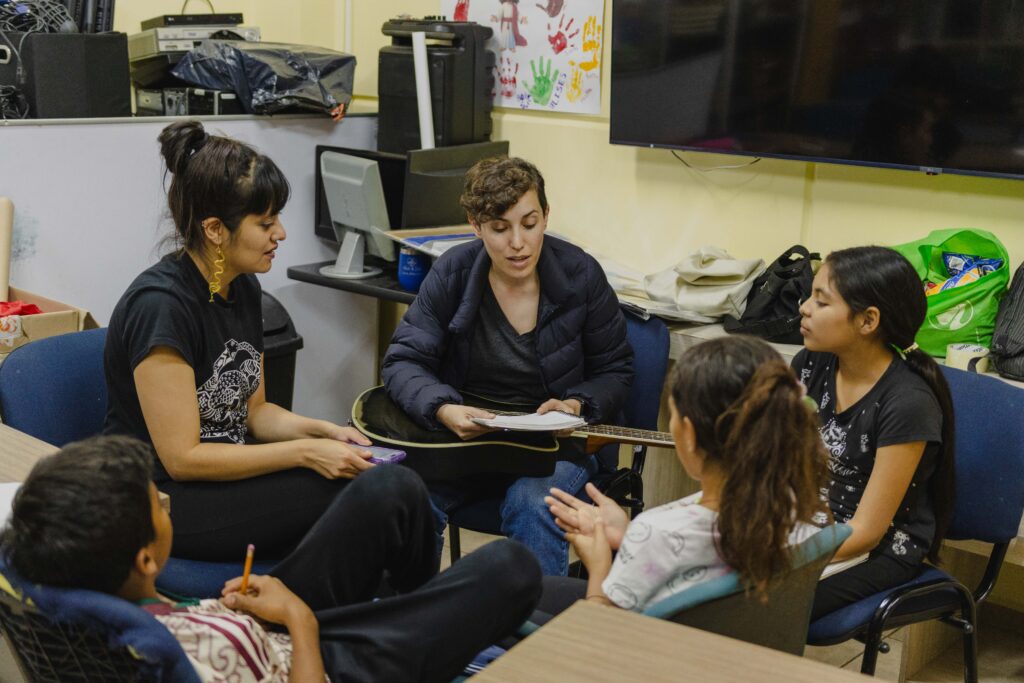
When concepts such as transparency, accountability, or democratic participation feel distant or unfamiliar, the possibility of building genuine collective ownership around them begins to erode. One of the Lab’s central commitments is to change that, bringing these ideas closer and placing them back in people’s hands as concrete avenues for action. The arts, and music in particular, do this in ways few other approaches can.
They can reach people in ways other formats often cannot, particularly young people, who engage with the world through culture. They create common ground in contexts marked by distrust and polarization, where shared narratives can open conversations that rational argument alone rarely can. Testimonies and stories expressed through music are a form of evidence in their own right. They speak from a different place, and that gives them a particular force. They amplify experiences, affirm dignity, generate empathy, and inspire action. They make complex realities something people can feel, relate to, and ultimately claim as their own.
As Beloved Chiweshe, Director of Accountability Lab Zimbabwe, put it at the 2025 Afrotellers gathering, “Accountability begins in the stories we tell ourselves about who we are, what we value, and what we refuse to accept.”
Music at Accountability Lab Mexico: From Voice2Rep to Volver al Corazón
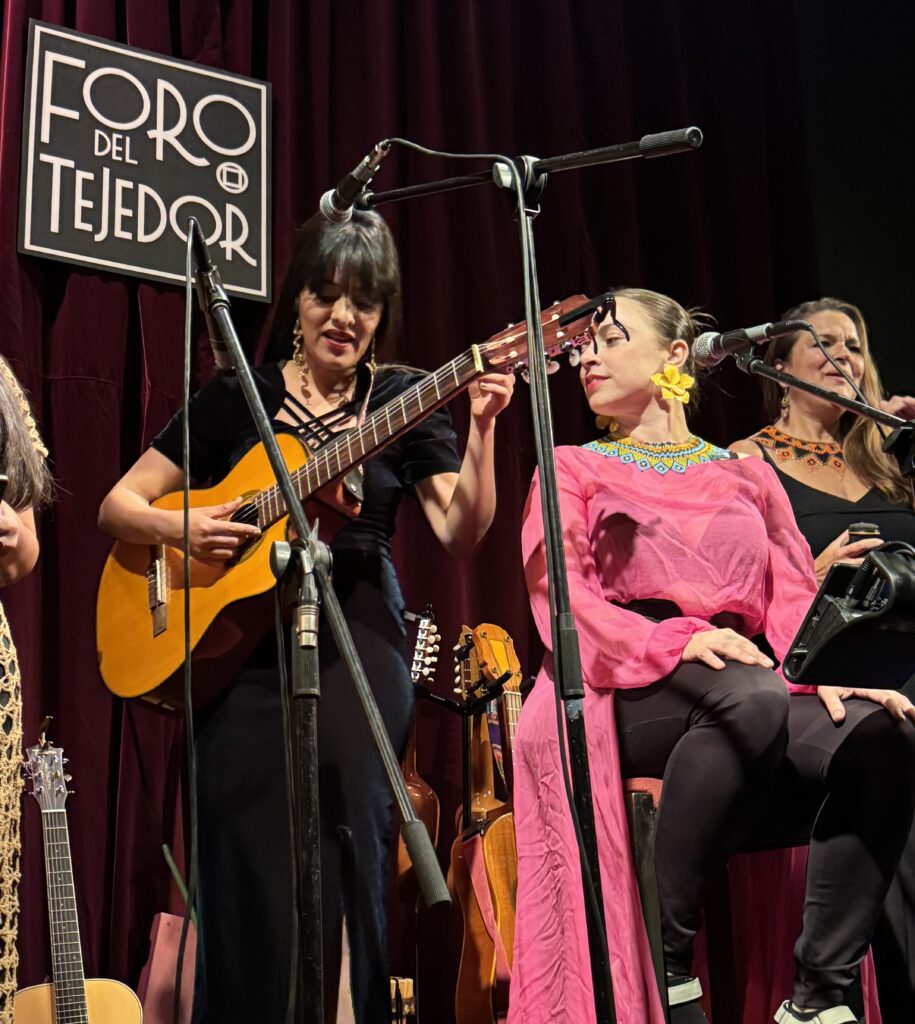
The Lab has been working with music for years through its network across Africa. Voice2Rep began in Nigeria in 2018 as a competition for emerging artists committed to civic participation and social justice. The idea was to introduce artists to questions of accountability and governance, and create space for their values and artistic practice to reinforce one another. The model later expanded to Liberia, Zimbabwe, Mali, and the Democratic Republic of the Congo, building sustainable ecosystems of musicians, producers, and audiences committed to using music for social change.
In Mexico, the path was different. Ingrid Lowenberg, our colleague and fellow artivist, found in singer-songwriter Leiden Gomis a kindred collaborator whose practice and methodology grew out of a process with incarcerated women during the pandemic, a process from which Volver al Corazón was born. That encounter, and the initial collaboration that followed, are recounted in detail in Ingrid’s blog. What matters here is the direction that seed took two years later.
From Collaboration to Co-Creation: Music4Change
Leiden and the Accountability Lab Mexico team sat down to build something together. Her methodology provided the starting point, while we brought our experience in strengthening civic agency, participation, and collective action. We also knew we needed someone to co-facilitate the creative process alongside Leiden. We were looking for a unicorn, someone with artistic sensibility, experience in community-based work, and the ability to accompany collective creation processes. We found that unicorn in Ireri Almonte, a longtime collaborator and friend of Leiden’s, a multidisciplinary artist and facilitator with extensive experience in this kind of work. Over several weeks, we wove together approaches, questions, ideas, and lessons learned. We also had to name what we were building and create a visual identity for it, a task that Sebastián Marín took on with remarkable talent and sensitivity.
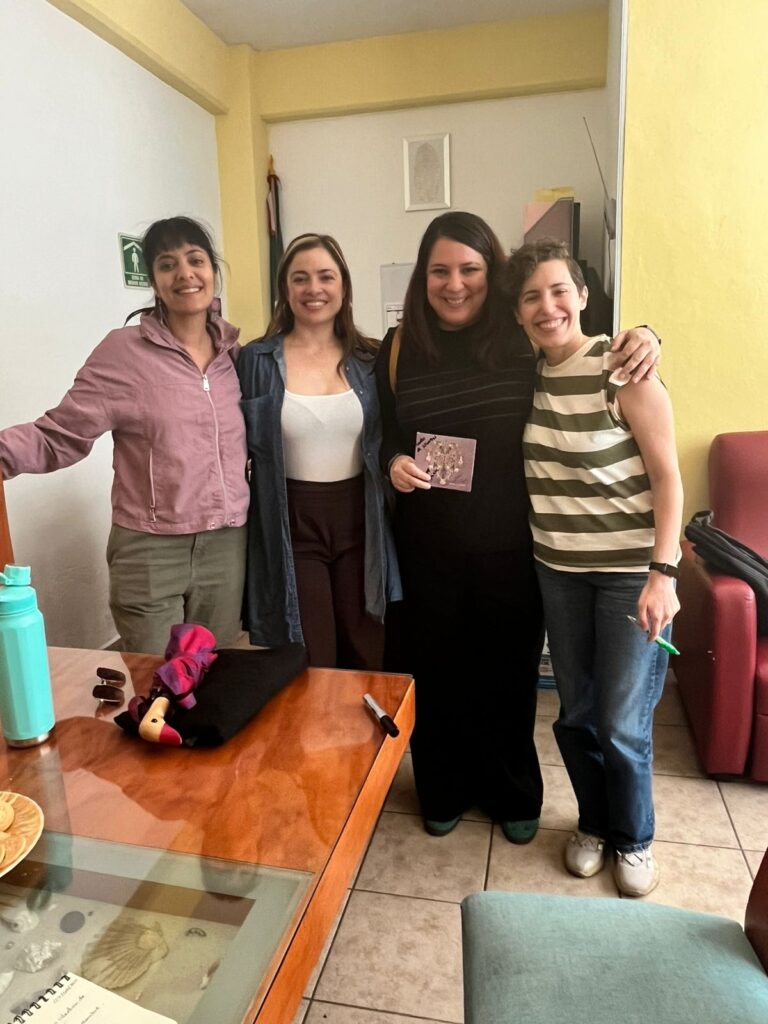
The result was Music4Change, a program that brings together Leiden’s Participatory Testimonial Song Methodology, with its ethical, artistic, and copyright safeguards, and the Lab’s approach to rights, participation, power analysis, and collective narratives for social change.
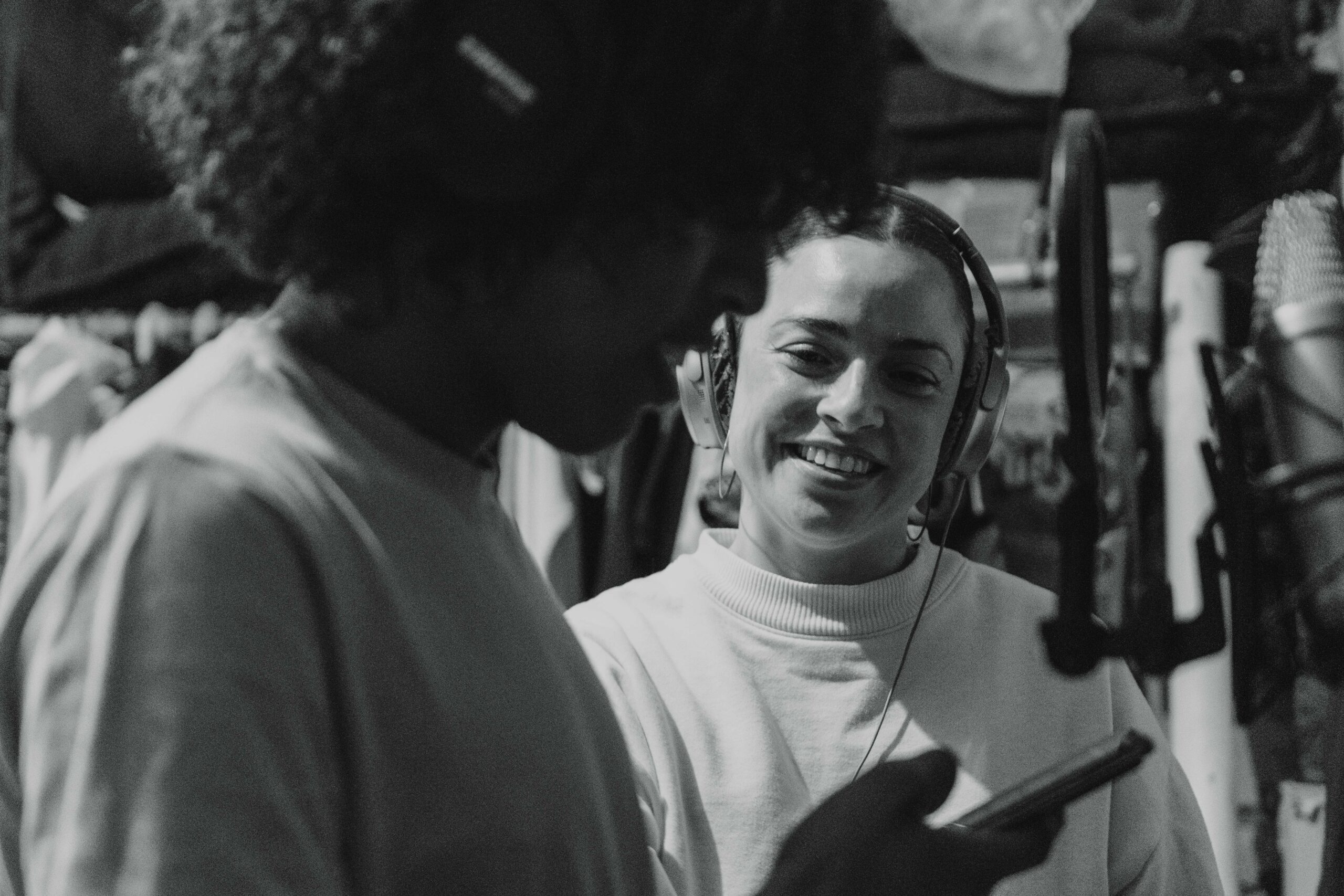
For the pilot we launched in September 2025, we worked with Casa del Migrante Arcángel Rafael, a shelter for migrants and asylum seekers in Mexico City. Over fourteen weeks, Leiden, Ireri, and the Accountability Lab Mexico team accompanied a group of young participants through a process of deep listening, collective creation, and reflection on their own stories, rights, and visions for the future. Dawlyn Aldana, a Cuban music producer and fellow migrant, joined the project during the recording phase, taking the lead on production and arrangements for all five songs. Working with very limited resources and an improvised recording studio set up in the shelter’s cloakroom, he helped transform those songs into pieces that retain the strength and sensitivity of the people who wrote them.
Five testimonial songs emerged from that process, four written by individual participants and one collective song in which they brought their voices together to reflect on their journeys, dreams, and hopes. You can listen to them here.
Music Travels. So Do People.
Migrant communities in Mexico and around the world carry an enormous narrative burden. The stories that circulate about them, built on fear, prejudice, and disinformation, often dehumanize them before they have a chance to speak for themselves. These narratives are partial, unjust, and dangerous. They close doors, justify exclusion, and fuel polarization. We are watching them being weaponized around the world to fuel anti-immigration movements, justify exclusionary policies, and win votes at the expense of people’s dignity.
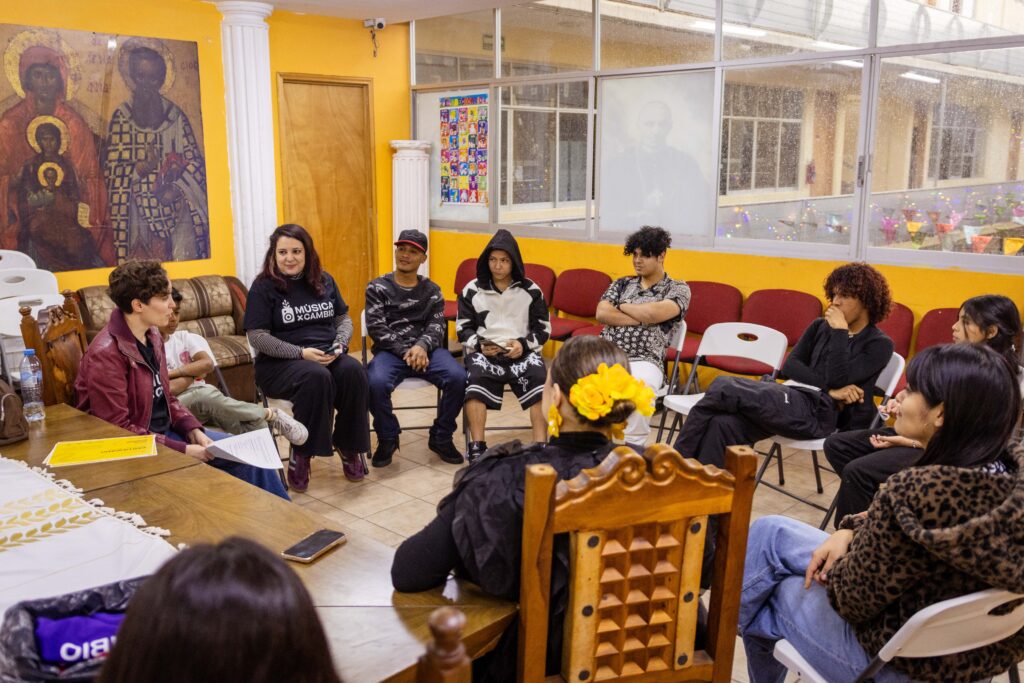
The question we ask through Music4Change is what happens when the people living those experiences speak for themselves and become the authors of their own stories, co-creating songs that preserve and affirm their experiences while carrying them forward.
As Raussert writes, music “helps us trace old and new maps and stories of people in transit.” There is something in that phrase that describes both music and people on the move. Both travel, and both carry something with them, transforming it along the way.
Narratives of Hope: Building the Future When the Present Hurts
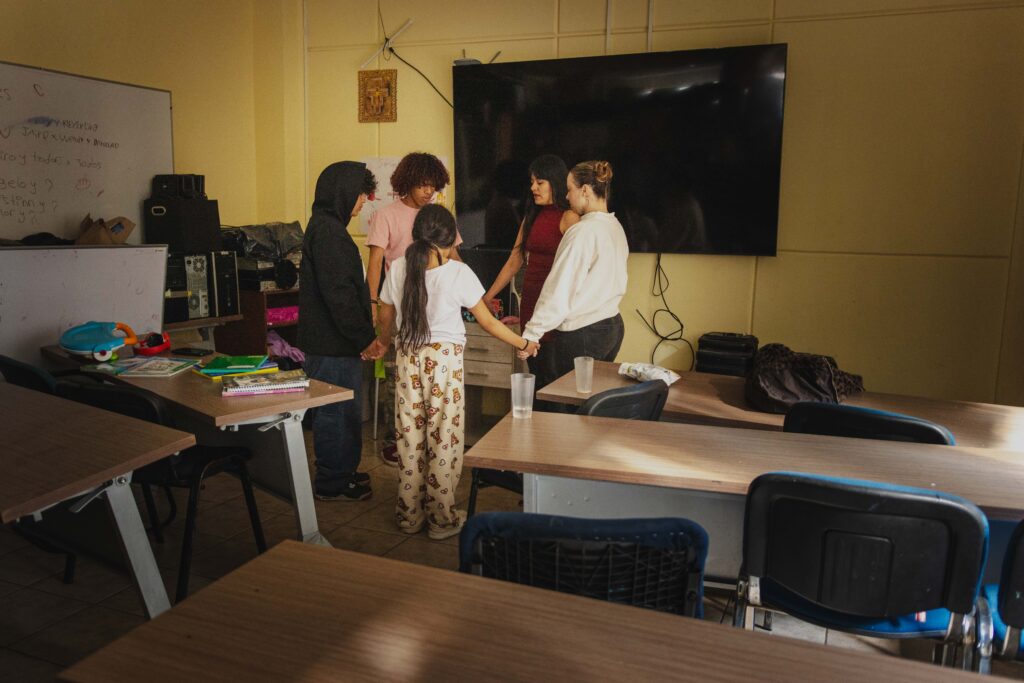
We are living in a moment of crisis saturation. The dominant narratives in the media, on social platforms, and in politics tend toward catastrophe, outrage, and collapse – not because none of this is happening. Naming what is wrong is necessary and urgent, but staying there comes at a cost. It can lead to paralysis, exhaustion, and the feeling that nothing is possible.
In that context, narratives of hope are a strategic practice. Building visions of possible, dignified, and livable futures is a form of resistance because without a clear horizon, it is difficult to know where to begin.
Music has always been one of the most effective ways to envision what comes next. Imagine by John Lennon touched something deeper than any rational argument could. It opened a mental space where other worlds were, for a moment, possible. Enslaved people singing in the cotton fields of the American South gave voice to a freedom that did not yet exist, naming it so they could desire it and, eventually, claim it.
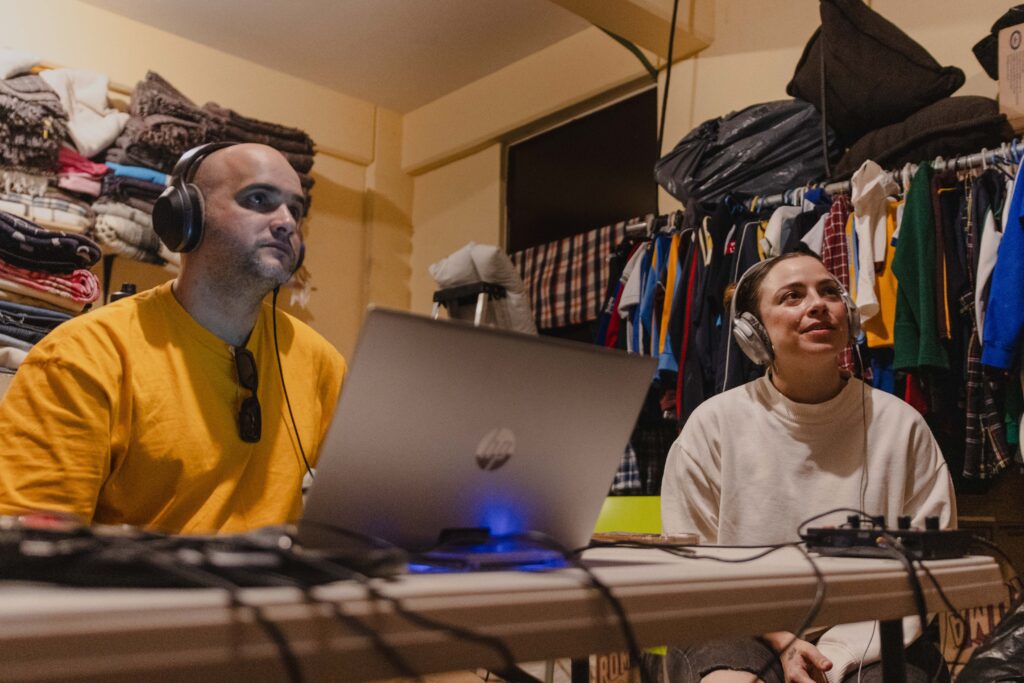
Leiden Gomis knows this firsthand. Caminando o en camión, one of the songs created through the process with incarcerated women as part of Volver al Corazón, was written by a participant imagining the day of her release from a cell whose window sat too high to see through. She could only feel the sun and hear the engine of a passing bus. From there, she wrote a song about the dream of making it home, whatever it took, walking or by bus. A song that anticipates freedom before living it, that names it in order to make it real.
In MúsicaXCambio, the collective song that closes the pilot comes from that same place. It is a shared expression of what is hoped for, what has been lived, and what remains possible. A song that says, “This is who we are. This is what we have lived. This is what we deserve,” is also, always, a declaration of where we want to go.
Coda: Why We Keep Believing
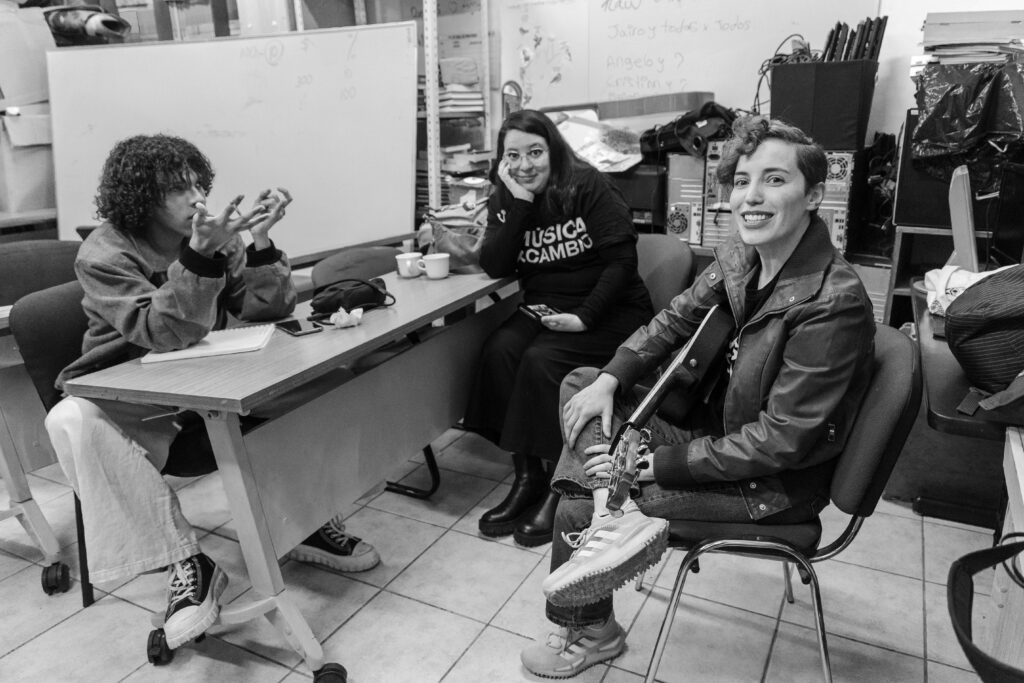
When one person dares to speak, others find the courage to act. In that sense, music can be a spark. It does not change systems on its own, nor does it replace the structural transformations that remain pending. But it can open a door. It can be the reason someone decides their story deserves to be told, that their voice carries weight, and that change is not something reserved for others.
We move forward with the conviction that without the stories that make us want to change those structures, without the songs that make us feel it is worth trying, the road becomes much longer and much lonelier.
Music4Change was our bet. A frequency we hope finds resonance.
*******
Want to learn more about Music4Change?
- Read Ingrid Lowenberg’s blog about how this collaboration with Leiden began and the path that led her to Accountability Lab.
- Read Leiden Gomis’ blog about our experience developing the Music4Change pilot with migrants and asylum seekers in Mexico City.
- Listen to the songs co-created by participants in the pilot here.
- Read more about Voice2Rep and Accountability Lab’s global work with artivists.
References
- Levitin, D. J. (2006). This is your brain on music: The science of a human obsession. Dutton Penguin.
- Malegarie, J. (2019). Art as a tool for social transformation: An experience of measuring processes and results across management. XXXII Congress of the Latin American Sociology Association. https://www.aacademica.org/000-030/1676
- Palacios Sánchez, L., & Olaya Galindo, M. D. (2023, July 28). El maravilloso impacto de la música en el cerebro [The wonderful impact of music on the brain]. Nova et Vetera, 9(90). Universidad del Rosario. https://urosario.edu.co/revista-nova-et-vetera/volumen-9-no-90
- Raussert, W. (2021). What’s going on: How music shapes the social. University of New Orleans Press.
- Zak, P. J. (2013, December 17). How stories change the brain. Greater Good Magazine. https://greatergood.berkeley.edu/article/item/how_stories_change_brain
Related Content
From Our Library
Subscribe
Join our community
Subscribe for updates on new programs, stories of change, and upcoming events from across our global, translocal network.