Author: Khadijah Chang | Share
Building tools that last: Lessons in sustainability from HackCorruption
As HackCorruption comes to a close and the funding ecosystem in civic tech becomes increasingly uncertain amid shifting perceptions among global funding institutions, adaptability and tapping into diverse sustainability approaches matter more than ever. Throughout this project, we have observed that the risks of not planning for sustainability compound over the life of a tool. A technically strong platform with useful data, a clear purpose, and active users can go offline within months if there is no budget for server costs and maintenance, and no revenue or stakeholder support beyond its initial funding.
Civic tech tools funded by grants often face sustainability challenges. In this context, sustainability means having plans and considerations around the design of a civic tech tool to outlast its initial funding period within the ecosystem in which it operates and the value it adds. The measure of success goes beyond a working product with users to a tool that is still running, still maintained, and still serving its purpose well beyond the wrap-up of its first grant cycle.
Across the cohorts, a recurring pattern emerged: teams that didn’t separate the development process from sustainability planning, working on both in tandem and adapting as they went, went on to have tools that lived on beyond the initial funding and development stage.
What this looks like in practice differs from team to team. There is no single model.
Two cases from the HackCorruption cohorts, Lexicon and ePMS, show what planning for these risks early can look like.
Lexicon
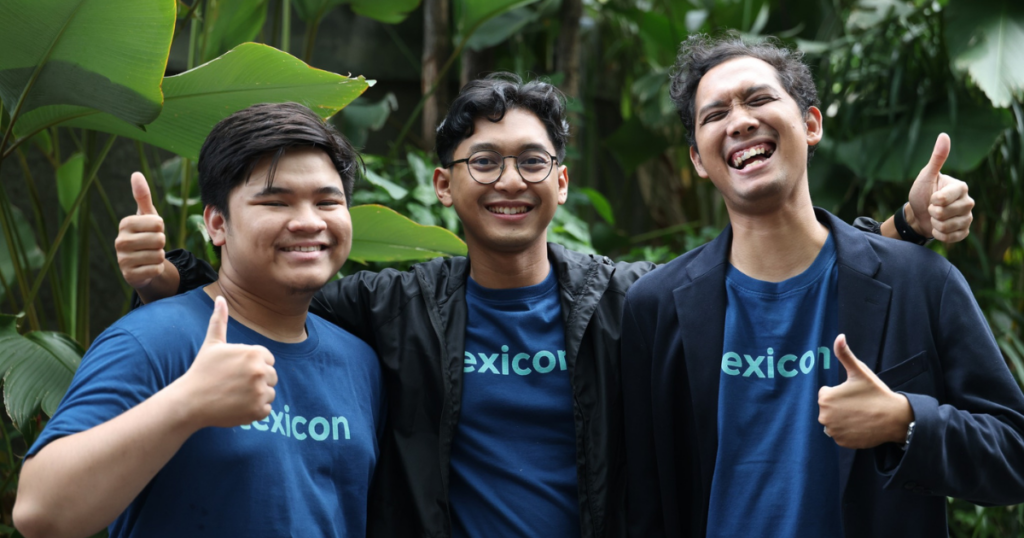
Evandri Pantouw, a lawyer and legal researcher who describes himself as a Legal-Civic Tech Disruptor, developed Lexicon Procurement with his team in Indonesia. Lexicon now operates as a social enterprise, operating and providing services beyond procurement and tender data, with commercial and nonprofit activities running in parallel.
Much of the groundwork toward the tool’s sustainability came through tapping into existing networks: Evandri’s work as a legal and policy consultant to government agencies, prior university research collaborations within the team, and direct outreach to potential institutional clients. Several of Lexicon’s earliest agency relationships began as existing client relationships from that consulting work, where the team already understood what those agencies needed well enough to identify where the tool and focus on which data were implemented could best be put to use. Building those relationships from the outset meant Lexicon had a base of contacts already familiar with the tool’s purpose by the time it was ready for adoption.
This early groundwork is also what made stakeholder mapping useful throughout development. Knowing who they had already engaged, along with access to data, shaped how the tool works in practice and which features it prioritizes. Being able to map this clearly and communicate it to potential users was as important as the technical build itself.
Lexicon now sustains itself through a diverse mix of revenue streams, including direct government licensing, data access fees, and partnerships with research institutions. Evandri and his team have also pursued open tenders and calls for proposals to bring in project-based funding.
Sustainability and effective communication go hand in hand. The clearer a tool’s outcomes and impact can be conveyed, the more effective stakeholder engagement becomes. Teams that did this well, like Lexicon, often had someone specifically responsible for ongoing stakeholder engagement, keeping that work aligned with technical development as it progressed.
The team is also weighing a subscription-based tier as a next step. In doing this, they are analyzing market requirements in Indonesia and globally, so that their available data analysis and pricing structures best reflect this. Pricing so far has varied by project scale rather than following a fixed rate, and the team is still working toward a subscription model aimed at individual business customers rather than institutional clients alone.
ePMS
Lexicon pursued sustainability by diversifying its client base. ePMS followed a very different path.
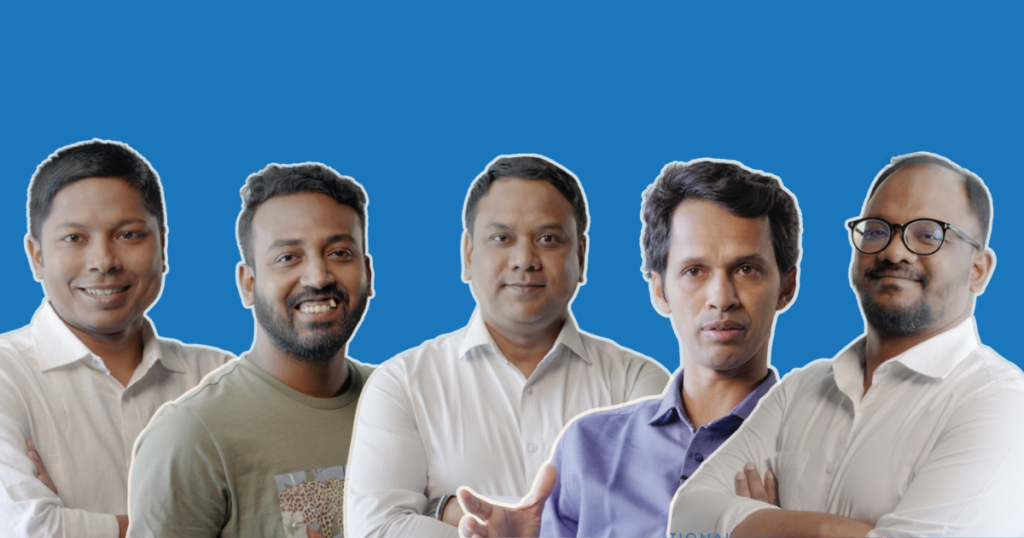
When Mohammad Islam joined HackCorruption in Nepal, he already had an idea of how to build support for his team’s later-developed tool, ePMS. Working as a Director at TI Bangladesh, he knew that the tool’s analysis and accessibility of the e-procurement system in Bangladesh would directly impact the organization’s work. That early alignment between the team’s existing ties and the tool’s purpose was a foundation the team intentionally built on, and it continues to play an important role in the tool’s impact beyond development. ePMS’s analysis feeds into TIB’s published research on Bangladesh’s e-procurement system, work that has documented patterns such as market concentration among top contractors and a rise in single-bid contract awards, helping TIB build the evidence base for its calls for procurement reform.
That relationship has since formalized into the tool’s sustainability mechanism: TI Bangladesh provides server support for the dashboard in exchange for the research outputs ePMS produces. The team has also continuously worked with journalists to extend the tool’s usability beyond research and into the wider public, to better understand the procurement data.
Both teams arrived at sustainability through different mechanisms: one by diversifying outward into a client base, the other by staying narrow and embedding within an institutional relationship. Neither route is inherently better. What mattered was that both teams treated stakeholder relationships and resource planning as part of the build itself, not as something to figure out once funding ran out. Mapping who has a stake in a tool, what they need from it, and how that relationship could contribute toward keeping it running started early in both cases.
Meeting the moment we’re in
Program implementers, funders, and intermediaries also shape what funding recipients and developers prioritize during development, and they have real influence over whether sustainability becomes a genuine part of a tool’s design. By embedding sustainability into funding structures, deliverables, and program design from the outset, they can make long-term viability part of the product – not an afterthought discussed only after the grant ends. Making space throughout a program for teams to have stakeholder conversations and plan resources as work progresses.
Funding builds a tool, but relationships keep it running. Sustainability grows out of those relationships more often than not, and they’re what shape how far a tool reaches and who it goes on to serve. None of that happens on its own; it takes a practical, incremental, and realistic approach to long-term viability, treating your existing network as a potential resource worth mapping early, and staying open to more than one path for longevity. Including your tool’s envisioned users in the design process intentionally could be a valuable start to the relationships that ultimately keep it alive.
Related Content
From Our Library
Subscribe
Join our community
Subscribe for updates on new programs, stories of change, and upcoming events from across our global, translocal network.