Author: Samina Anwary | Share
What five years of celebrating good governance heroes taught us about the value of principled partnership
Integrity Icon, Accountability Lab’s campaign to celebrate exceptional public servants, has always rested on the notion that citizens respond more readily to real people than to abstract institutions, and that publicly celebrating integrity can shift how a society talks about public service.
It is our longest running campaign, focused on “naming and faming” civil servants who go above and beyond in their work. When we launched Integrity Icon Somaliland in January 2021, we wanted to find out if celebrating everyday integrity would resonate in a context shaped by strong oral storytelling traditions, deeply rooted social norms, and evolving institutions.
The campaign landed successfully, with great reception from Somalilanders and strong public visibility. The inaugural cohort was drawn from across Somaliland, and reflected the diverse geographic, sectoral, and gender spread the campaign aims for. In the first year, people raised over one thousand nominations for public servants they believed should be celebrated, and more than 80,000 people voted for their preferred Icon.
Somaliland law requires international organisations to register and maintain a dedicated line ministry overseeing their work, to ensure programmes serve the national interest rather than extract from it. For Integrity Icon, that line ministry was the Civil Service Commission. Early conversations were collaborative and led to the signing of a memorandum of understanding, with Accountability Lab offering knowledge exchange, skills-sharing, and an opportunity for the Commission to share some of its own work. When Somaliland’s leadership changed, however, the initial enthusiasm for the project was no longer shared with the new administration.
Trusted local implementing partners ISIR Institute, Media Ink, Hikma Foundation and SOYDAVO were critical to ensuring that the campaign was able to reach a broad array of partners across communities and political lines. They allowed us to navigate not only logistics but also the unspoken dynamics that no external actor can learn quickly.
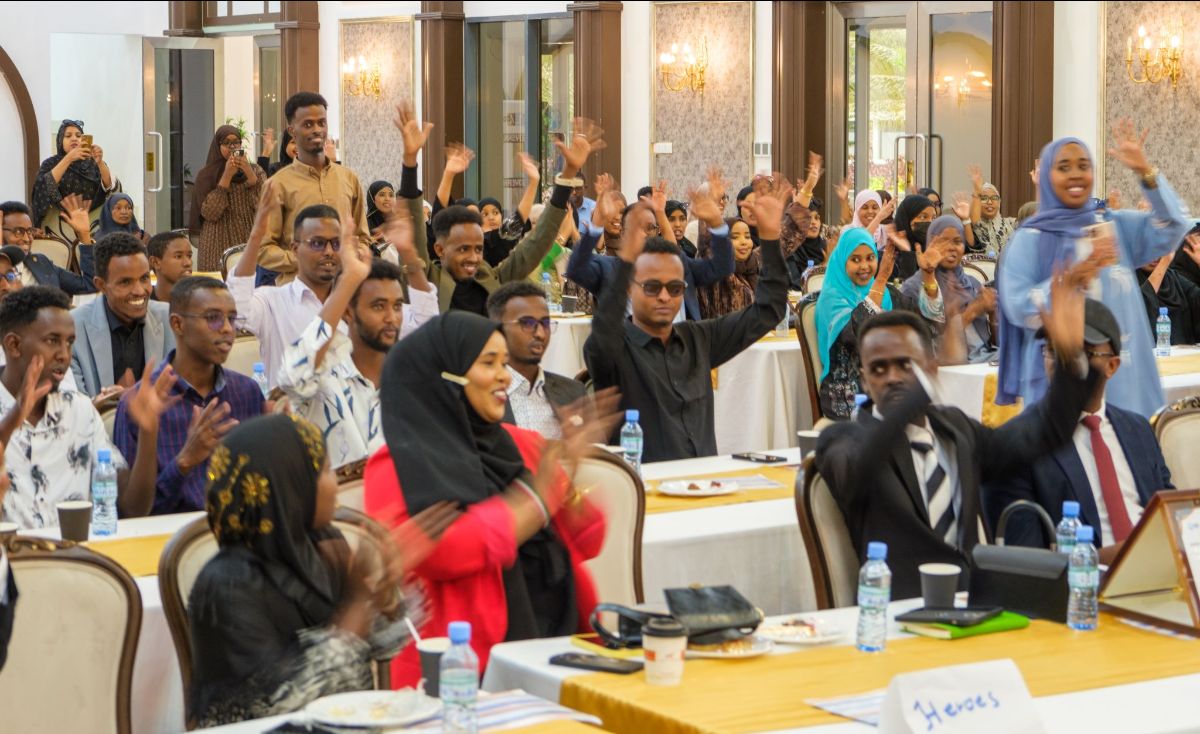
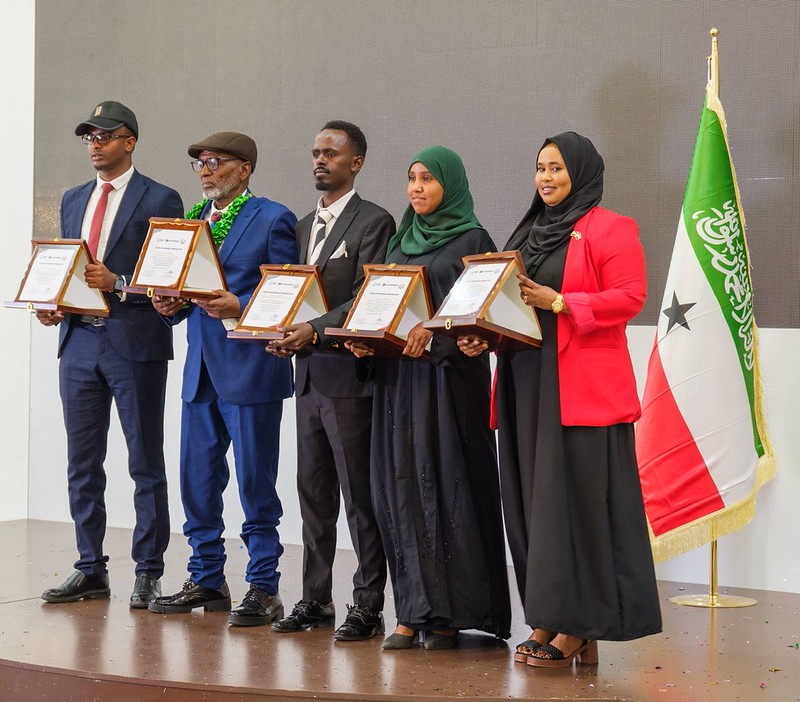
These insights informed a strategic redesign, and the campaign moved away from directly engaging civil service and became Good Governance Heroes, a broader campaign that included not only civil servants but also civil society change makers and community leaders. The Good Governance Commission (GGC) became the new institutional home for the campaign and the traditional awards ceremony gave way to a Good Governance Heroes Summit, built around dialogue and shared learning rather than a single moment of recognition.
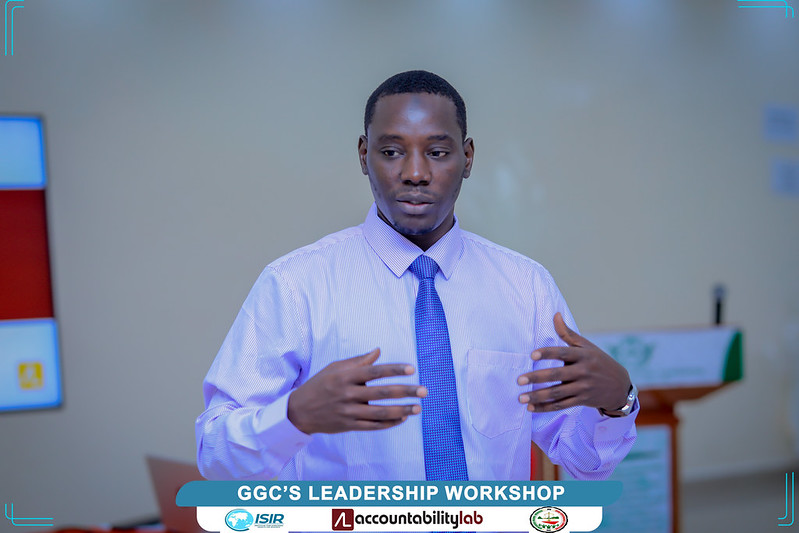
The team was able to in turn support the agency by delivering capacity-building, training workshops, feedback on the Commission’s own strategic plan, and a human-centred design session. The team also introduced a World Café format into government training rooms – small-group, discussion-based sessions that disrupted the Commission’s usual didactic, person-at-the-front model. In a later reflective interview, GGC staff singled this out as one of the most valuable tools they had taken from the partnership, describing it as a natural fit with Somaliland culture for surfacing problems and brainstorming solutions.
By the programme’s later years, the Good Governance Commission expressed an interest in running a similar campaign themselves, proposing country exchanges to see how comparable initiatives worked elsewhere. While budget constraints have not made this possible as yet, enthusiasm for the idea remains. In a final reflective interview in December 2025, GGC staff went further, suggesting the open, criteria-based selection process at the heart of Integrity Icon “could be replicated within various government ministries,” and proposed a future focus on lower-level, often unseen civil servants. The Commission’s former chairman, Liban Burale, wrote after the December 2025 Summit that the campaign had “strengthened the foundation of integrity in our country and empowered citizens with the knowledge and courage to hold their leaders accountable.”
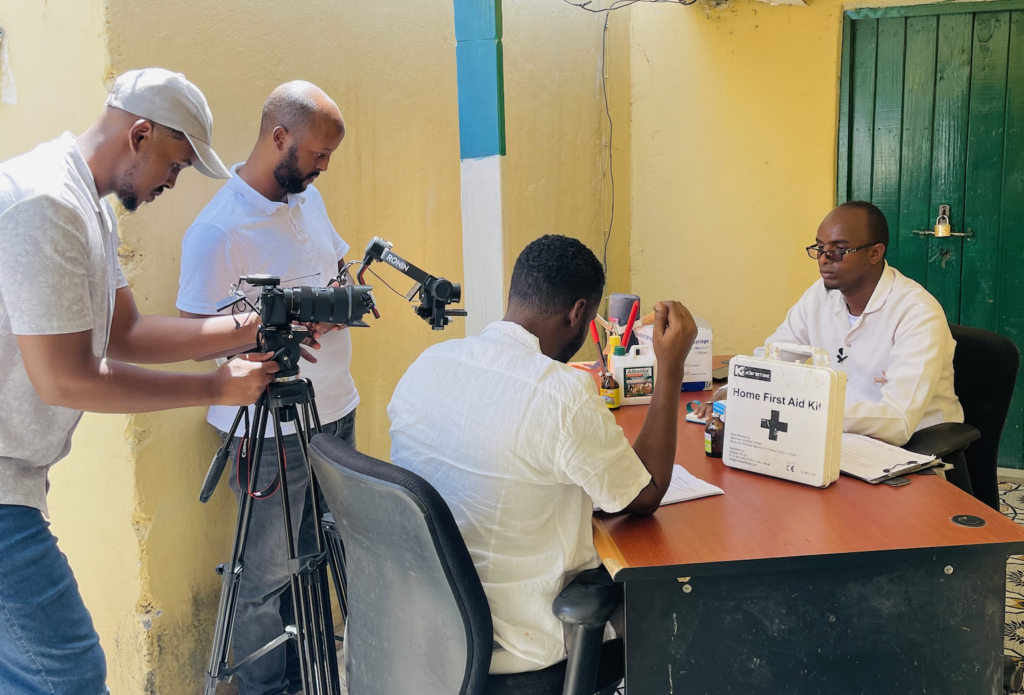
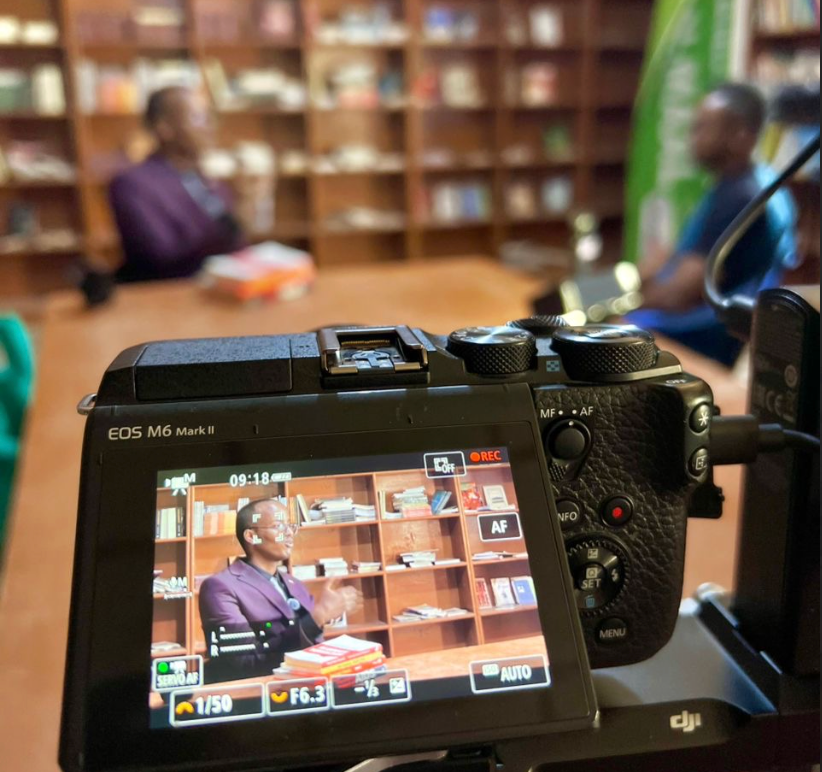
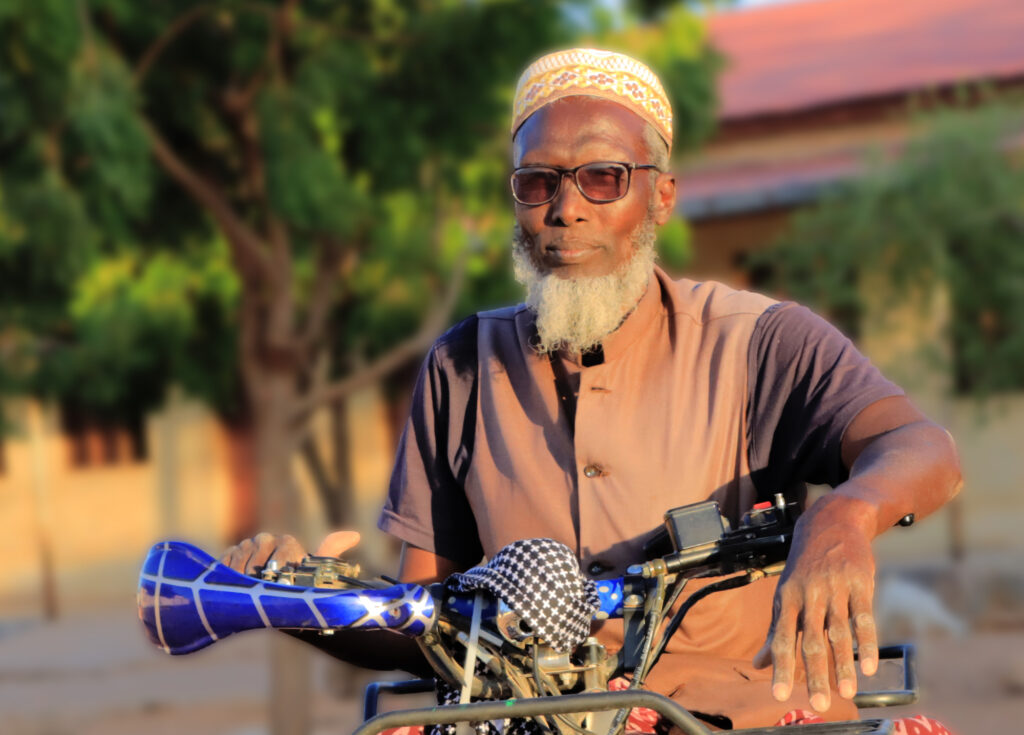
Over five years, 21 stories of integrity were documented from every region of Somaliland. Twenty-one volunteers carried the campaign forward, half of them active from the first year to the last. As one volunteer reflected, “the campaign has never been just about one person or one hero. It is about a collective effort.” Programs and Learning Manager, Jaco Roets’ most memorable moments captures the same idea from a different angle. The first year of the campaign celebrated a disabled school principal Xuseen Maxamed Cawed who had built a Quranic school in Gawsaweyne – a village so remote the film crew got lost trying to find it. He travelled two days with family and some of his students to the awards ceremony. When a student later thanked Jaco for “making” his teacher into something, Jaco answered, “We didn’t make him anything. All we did was acknowledge what he did and make other people aware of it.”
Related Content
From Our Library
Subscribe
Join our community
Subscribe for updates on new programs, stories of change, and upcoming events from across our global, translocal network.