Author: Tirelo Makwela | Share
A public service is only as strong as the people who work in it – recognise the Integrity Icons to squeeze out the bad
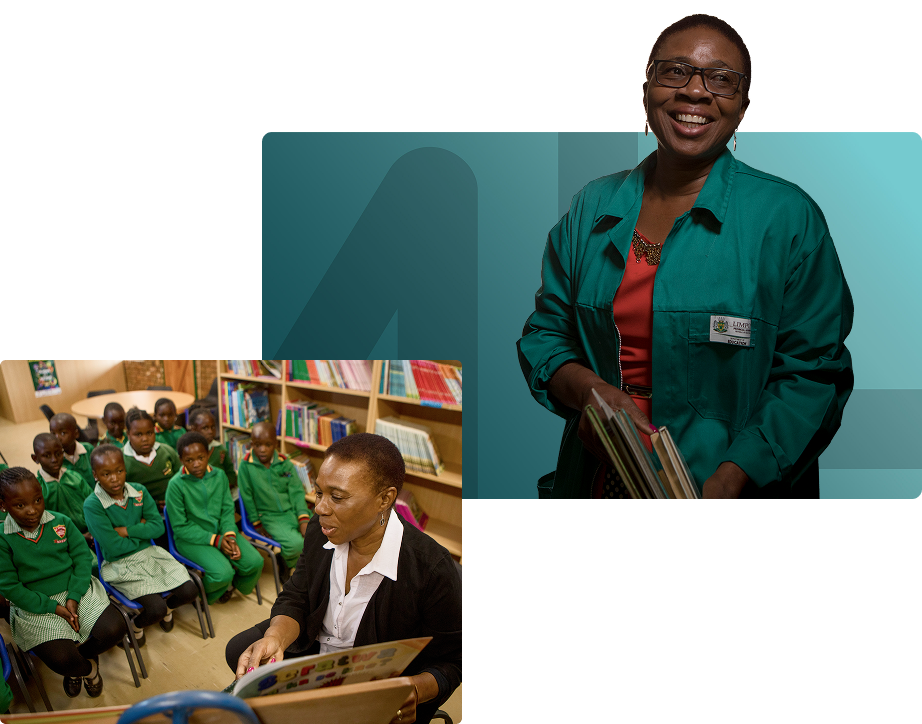
On Friday evening last week, Accountability Lab South Africa announced the five winners of its 2022 Integrity Icon awards.
This was the fifth year of the awards, established in 2018, which according to Sekoetlane Phamodi, the country director of Accountability Lab, aim “to name and fame some of the many civil servants in South Africa who demonstrate integrity, accountability, and going beyond the call of duty both at work and in their communities”.
The award winners, nominated by their peers, are public servants who were “caught doing the right thing and are making government work for our people”, says Phamodi. In 2022, 109 nominations were received and nearly 2,000 people voted for the People’s Choice winner, Bongani Eric Siyona, a police officer working for the SAPS in Gqeberha, Nelson Mandela Bay.
Watch videos about the five winners:
In a keynote address, Salomon Hoogenraad-Vermaak, head of the Public Administration Ethics, Integrity and Disciplinary Technical Assistance Unit at the Department of Public Service and Administration, congratulated the Icons and invited them to address the department’s National Ethics Officers Forum in 2023 (there are now 340 designated ethics officers across national and provincial government departments, according to Hoogenraad-Vermaak).
Hoogenraad-Vermaak said there is a need to challenge “the general narrative that all public servants are corrupt”. He emphasised that progress is being made in rooting out corruption in the public service, and strengthening systems that promote ethics and accountability, claiming that:
- 27 national and 49 provincial government departments are now conducting lifestyle audits;
- 98% of senior managers are now disclosing their finances using an electronic financial disclosure system for public servants; and that
- “While it is true that R140-million has been spent on 304 suspended public servants who are “sitting at home”, three years ago this figure was over R2-billion.”
Related Content
From Our Library
Subscribe
Join our community
Subscribe for updates on new programs, stories of change, and upcoming events from across our global, translocal network.