
Archive for 2026
Civil society is still standing – let’s find out what’s holding it up
Civil society has always had to adapt. Closing civic space, pressure on activists, disinformation, digital surveillance, funding cuts- we have seen it all. Many organizations have found it hard to survive- but many have also found ways to adapt and do more with less in more difficult circumstances- especially over the past two years. But…
Read MoreSecteur extractif, recettes et priorités communautaires au Mali
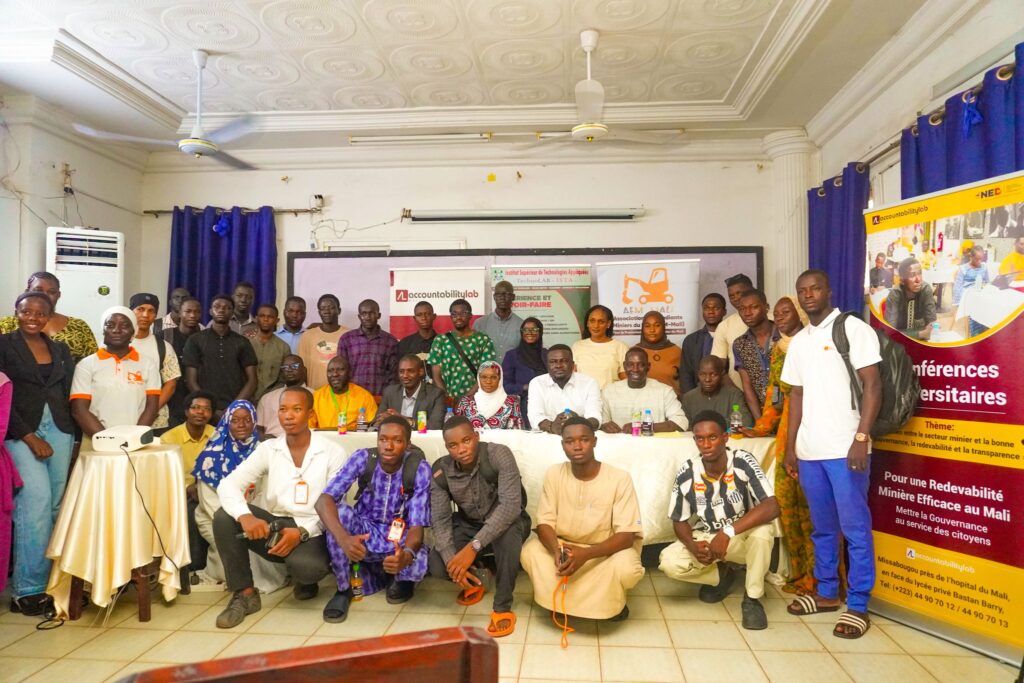
Rendre l’information minière accessible aux communautés et à la société civile a des effets concrets sur l’utilisation des ressources publiques et sur le renforcement du contrôle dans le secteur extractif. La publication d’informations sur le secteur extractif est importante, mais elle ne peut contribuer à la redevabilité que si les populations peuvent les comprendre et…
Read MoreWhat stays human? AI, accountability and the choices facing civil society (Transcript)
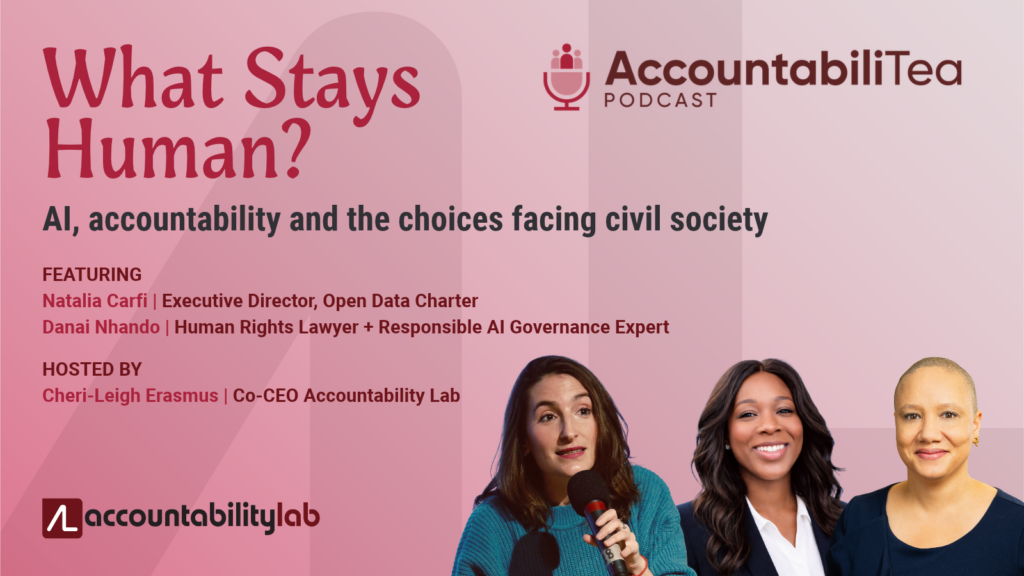
As AI becomes part of civil society’s work, where can it help, which decisions should stay in human hands, and who answers when something goes wrong? In What Stays Human?, Accountability Lab Co-CEO Cheri-Leigh Erasmus speaks with Danai Nhando Danai Nhando, a human rights lawyer and responsible AI governance expert, and Natalia “Nati” Carfi, Executive…
Read MoreExtractives, revenue, and community priorities in Mali
Gold has deep historical and economic significance in Mali. “It is part of Mali’s DNA and Mali’s history,” says Habibou Diaou, Country Director of Accountability Lab Mali. He points to the 14th-century ruler of the Mali Empire, whose wealth was closely tied to its gold and salt resources: “We talk about the richest man that has ever lived – Mansa Musa. He was from this part of the world.”
Today, the country’s relationship with gold raises many pressing governance questions: who benefits from extraction, how are its environmental impacts managed, and what say do communities have in decisions affecting their lives? We’re finding that stronger accountability begins with helping people access and interpret the information they need to engage with these questions.
Read MoreReimagining Microgrants: Bridging the Local Civic Infrastructure in Nepal
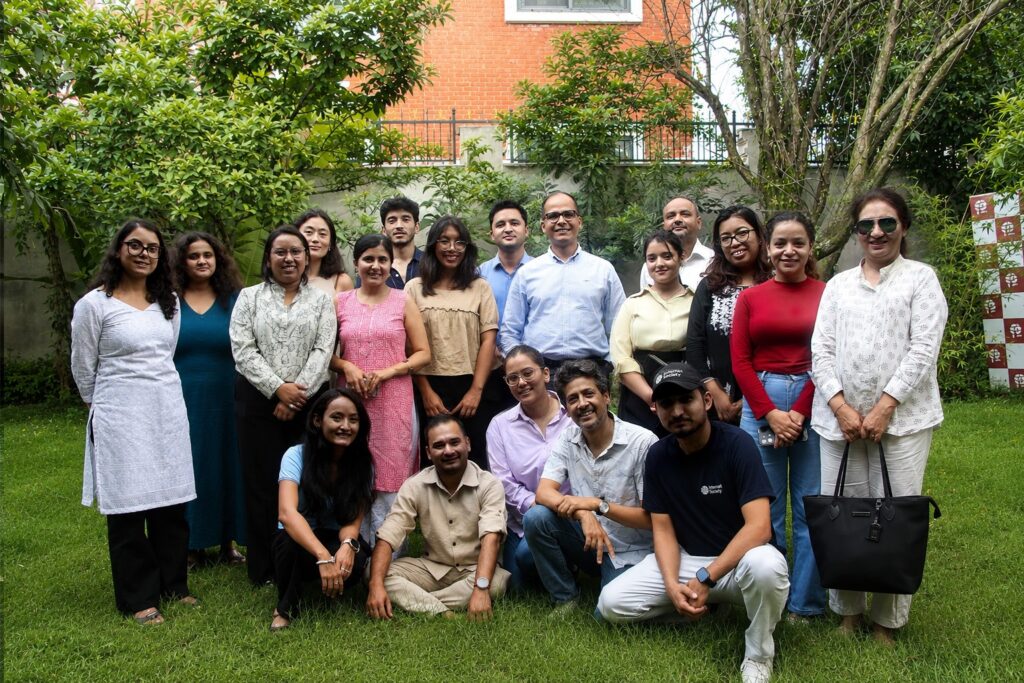
With funding spaces shrinking, and a large number of civil society organizations (CSOs) struggling to survive, microgrants or innovative grants are becoming critical to sustain the civic space, especially at the local level. AL Nepal’s microgrants are small-scale grants provided for a short implementation period, typically up to three months, with budgets generally ranging from…
Read MoreBuilding Resilience through Transitions: A New Model for Democracy Support
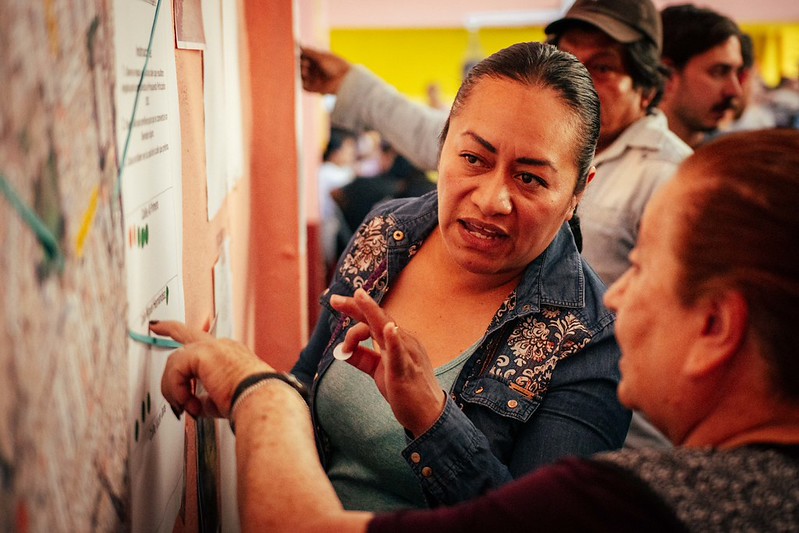
This piece was first published as part of the Thinking and Working Politically Community of Practice’s volume Plural Futures for Democracy: Reflections from the Plural Futures for Democracy Workshop, Washington DC, November 2025 The global aid cuts that began in 2025 have exposed deep structural weaknesses in democracy support systems that were never designed for…
Read MoreBeyond “youth inclusion”: Lessons from Nepal’s Gen Z organisers
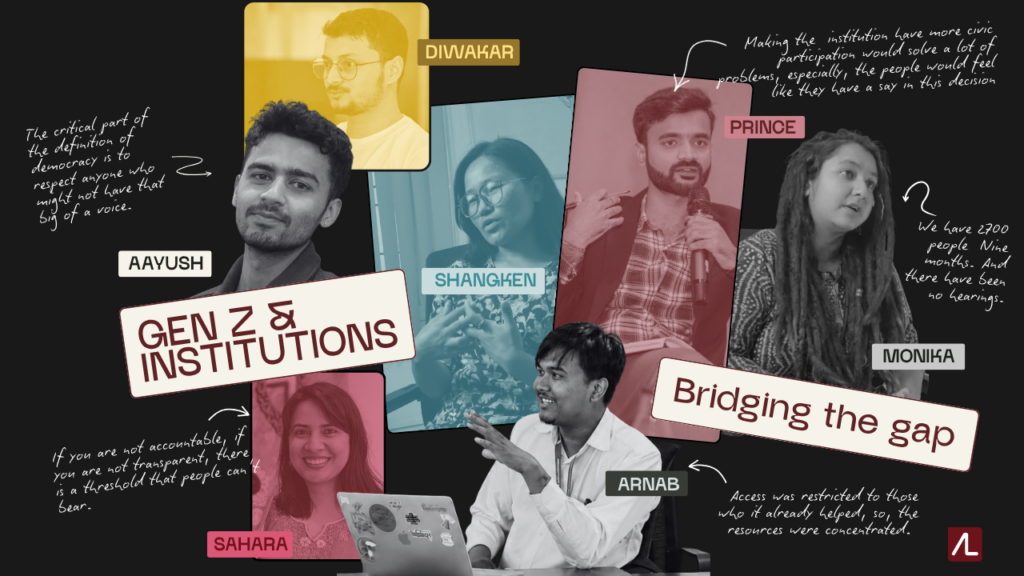
Since 2022, Gen Z movements have been at the forefront of protests across the world. Young people have taken their grievances with corruption and elite privilege, public service failure, economic insecurity, and repression to the streets, and in a short four years, five heads of state were toppled, and the definition of what constitutes civic…
Read MoreQ&A: Do you want to make a grant, or do you want to solve a problem?
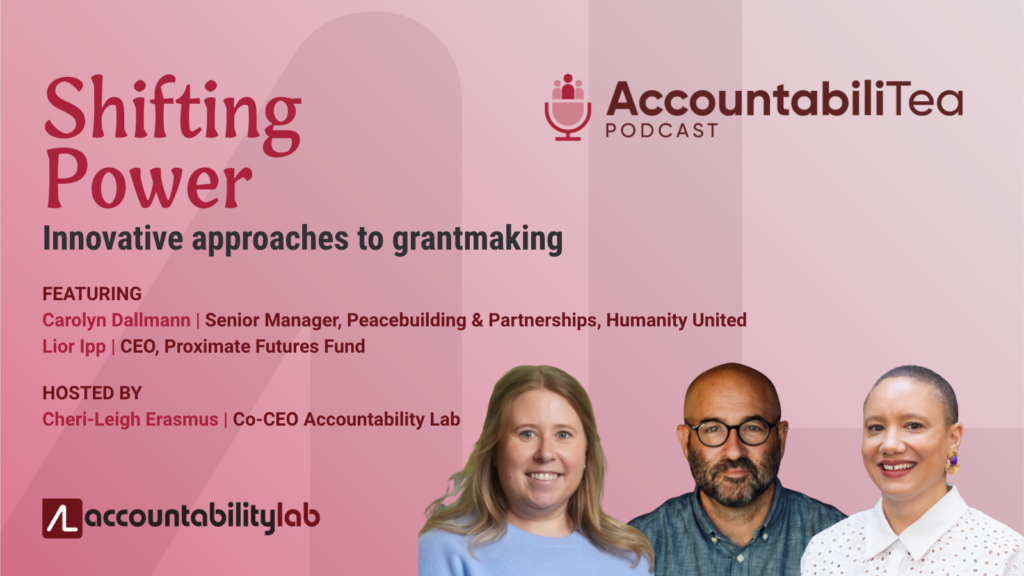
This conversation is drawn from the AccountabiliTea Podcast, hosted by Accountability Lab Co-CEO Cheri-Leigh Erasmus who spoke with Carolyn Dallmann of Humanity United and Lior Ipp, CEO of Proximate Futures Fund, about participatory grantmaking, proximate leadership, and what it truly means to shift power in philanthropy. What have you learned from involving proximate actors directly…
Read MoreBuilding Civic Resilience: From Insight to Action
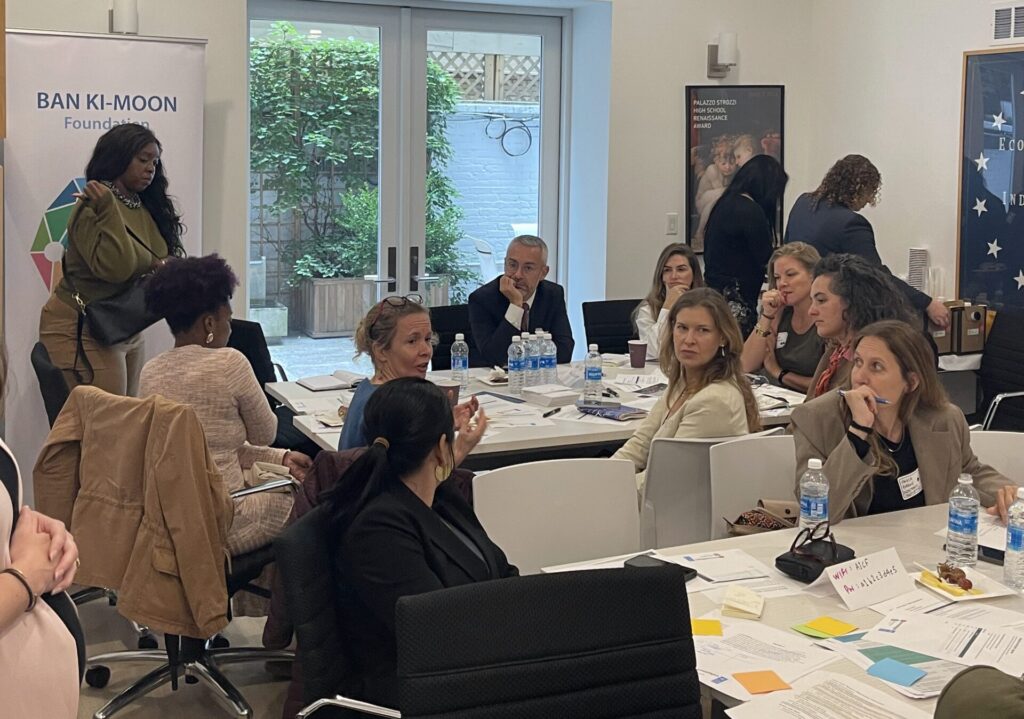
At this year’s UNGA, Accountability Lab, Ban Ki-moon Foundation, Civic Strength Partners, and UNDP convened leaders from civil society, philanthropy, and multilateral and development organizations. We met to shift the conversation about civil society’s future from diagnosis to actionable steps that strengthen the ecosystems we work in and proactively build resilient civic infrastructure. We asked…
Read MoreLooking Inward: Evaluation for Questions That Matter in Civil Society
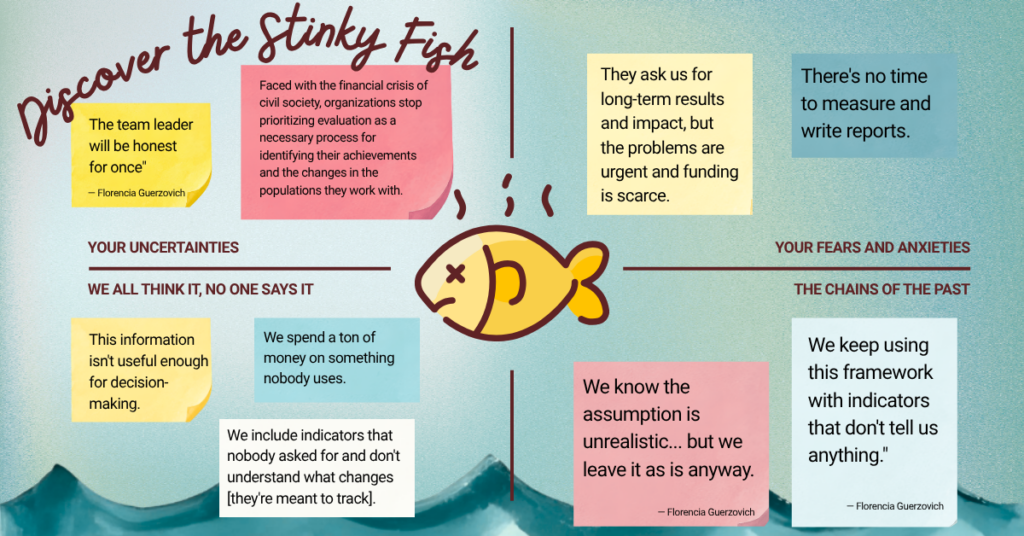
Why do we conduct evaluations in civil society: to learn, to make decisions, to be accountable, or to justify what we’ve already done? The obvious answer is usually “for all of those reasons.” But in practice, these functions don’t always coexist well. Sometimes monitoring, evaluation, and learning systems produce information, reports, and evidence, but they…
Read MoreShifting power: Innovative approaches to grantmaking (Transcript)
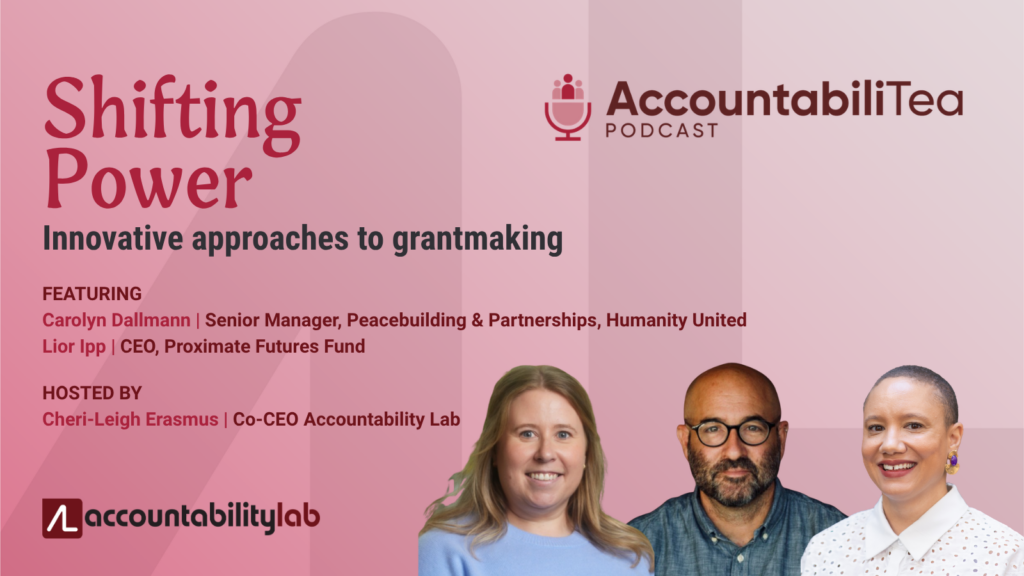
What happens when funders hand decision-making power to the people closest to the challenges they are trying to address? In this episode of the AccountabiliTea Podcast, Accountability Lab Co-CEO Cheri-Leigh Erasmus speaks with Carolyn Dallmann of Humanity United and Lior Ipp, CEO of Proximate Futures Fund, about participatory grantmaking, proximate leadership, and what it truly…
Read MoreAccountability Lab’s New Strategic Directions
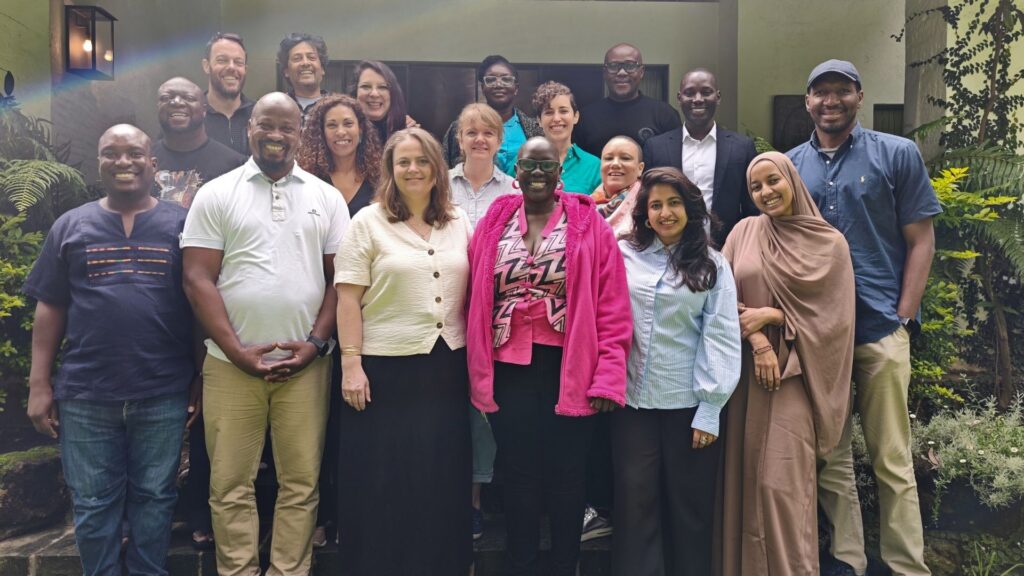
Here at the Lab we just wrapped a year-long process of reimagining what the network does next, and the result is our Strategic Directions for 2026 to 2028 paper. It’s less of a five-year plan (after all, these days it is hard to plan 5 weeks in advance, let alone half a decade!); and more…
Read More