Author: eedev | Share
Closing Feedback Loops in Sindukot
By Kanchana Sthanumurthy
Photos by Shweta Gulati
Sindukot, in Sindhupalchowk district, is a mere 70 kilometers from Kathmandu, but the roads leading to the district are so heavily potholed and narrow that the journey takes over three hours from Kathmandu by car.
In this beautiful community of terraced hills dotted with houses, our Citizen Helpdesk team has been working for over two years to gather information from citizens on their key concerns and working to close feedback loops related to critical priorities. The focus initially was earthquake relief and recovery, but the Helpdesks have now shifted the focus to foreign labor migration because districts like Sindhupalchowk are among the most affected by migration in the country. This is demonstrated in the local economy- foreign remittances account for a massive 22% of household income in the district according to the International Organization for Migration.
Recently, we arrived in Sindukot for the first community meeting held by Sindhupalchowk’s new Community Frontline Associate (CFA) Santosh Sigdel, a radio journalist born and raised in the district. The role of local CFAs is to gather information from locals on their collective issues, and close the feedback loop by disseminating information to citizens, answering their queries and connecting them to local resources. Community meetings are an important way for CFAs to get a sense of citizens’ most significant problems.
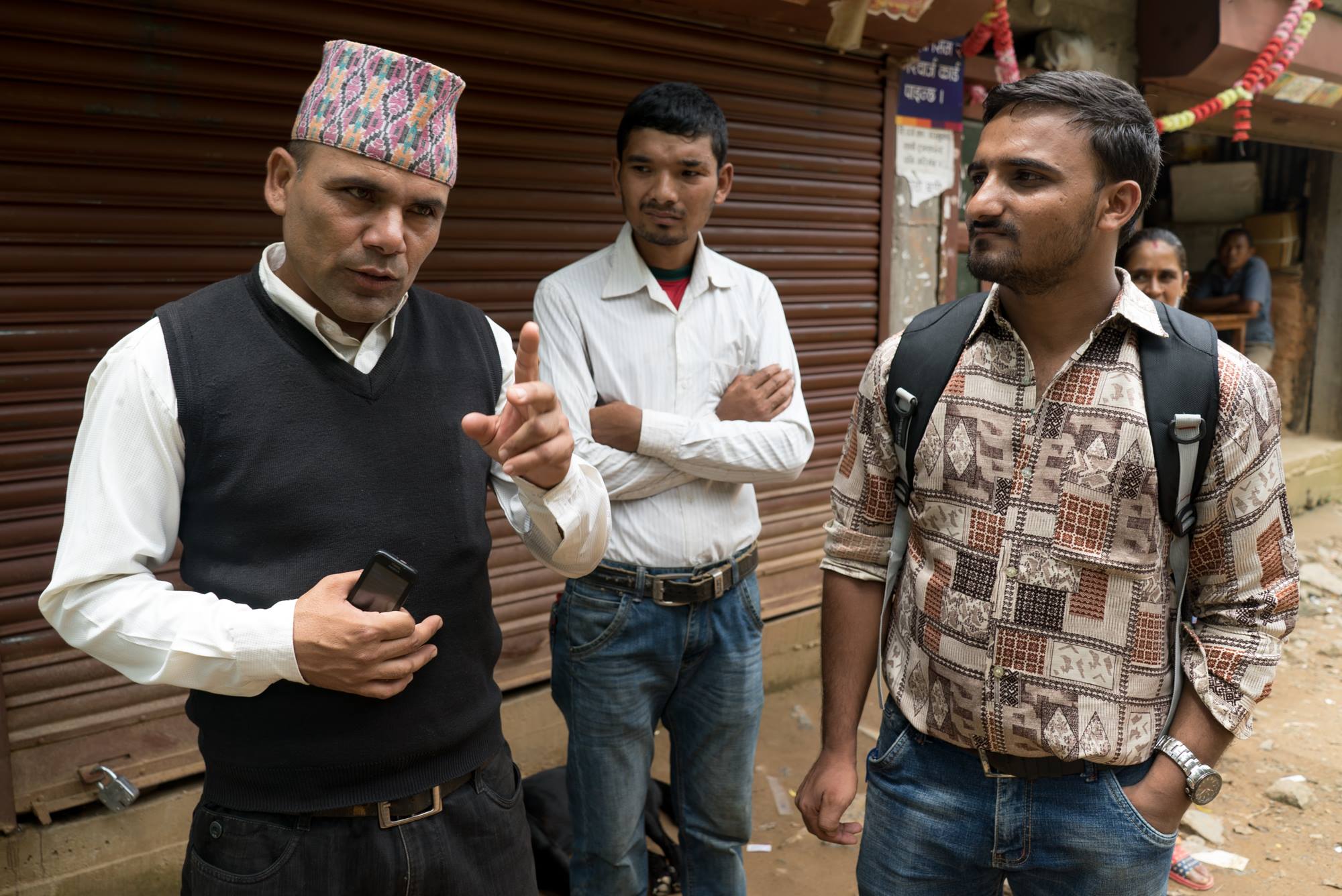 The official community meeting- part of the feedback process- was held in one of Sindukot’s small community schools. As it is the beginning of the harvest season, the community meeting turnout was markedly lower than usual, although the meeting was still attended by 35 people. These included Sindhupalchowk’s elected ward representative, Sudarshan Luitel, as well as the ward’s health representative and local school representative.
After introductions, community members were eager to speak about the challenges they face on a daily basis. The major topics of discussion centered around migration and reconstruction-related issues and drew out difficult concerns related to decision-making, trust in manpower agencies, government responsiveness and family dynamics. For example:
The official community meeting- part of the feedback process- was held in one of Sindukot’s small community schools. As it is the beginning of the harvest season, the community meeting turnout was markedly lower than usual, although the meeting was still attended by 35 people. These included Sindhupalchowk’s elected ward representative, Sudarshan Luitel, as well as the ward’s health representative and local school representative.
After introductions, community members were eager to speak about the challenges they face on a daily basis. The major topics of discussion centered around migration and reconstruction-related issues and drew out difficult concerns related to decision-making, trust in manpower agencies, government responsiveness and family dynamics. For example:
The official community meeting- part of the feedback process- was held in one of Sindukot’s small community schools. As it is the beginning of the harvest season, the community meeting turnout was markedly lower than usual, although the meeting was still attended by 35 people. These included Sindhupalchowk’s elected ward representative, Sudarshan Luitel, as well as the ward’s health representative and local school representative.
After introductions, community members were eager to speak about the challenges they face on a daily basis. The major topics of discussion centered around migration and reconstruction-related issues and drew out difficult concerns related to decision-making, trust in manpower agencies, government responsiveness and family dynamics. For example:
- A man got up to explain that a manpower agency had been holding his son’s passport illegally for the last six months, making it impossible for him to travel abroad for work, but there seemed to be few ways to address the issue.
- One community member had worked in Dubai for 18 months. After some time, his boss allowed him to return home for a brief visit in Nepal. When he was preparing to return to Dubai, he learned that his visa had been revoked and he was going to be fired for unspecified reasons, without any explanation. But given financial imperatives he is now preparing to leave for Kuwait.
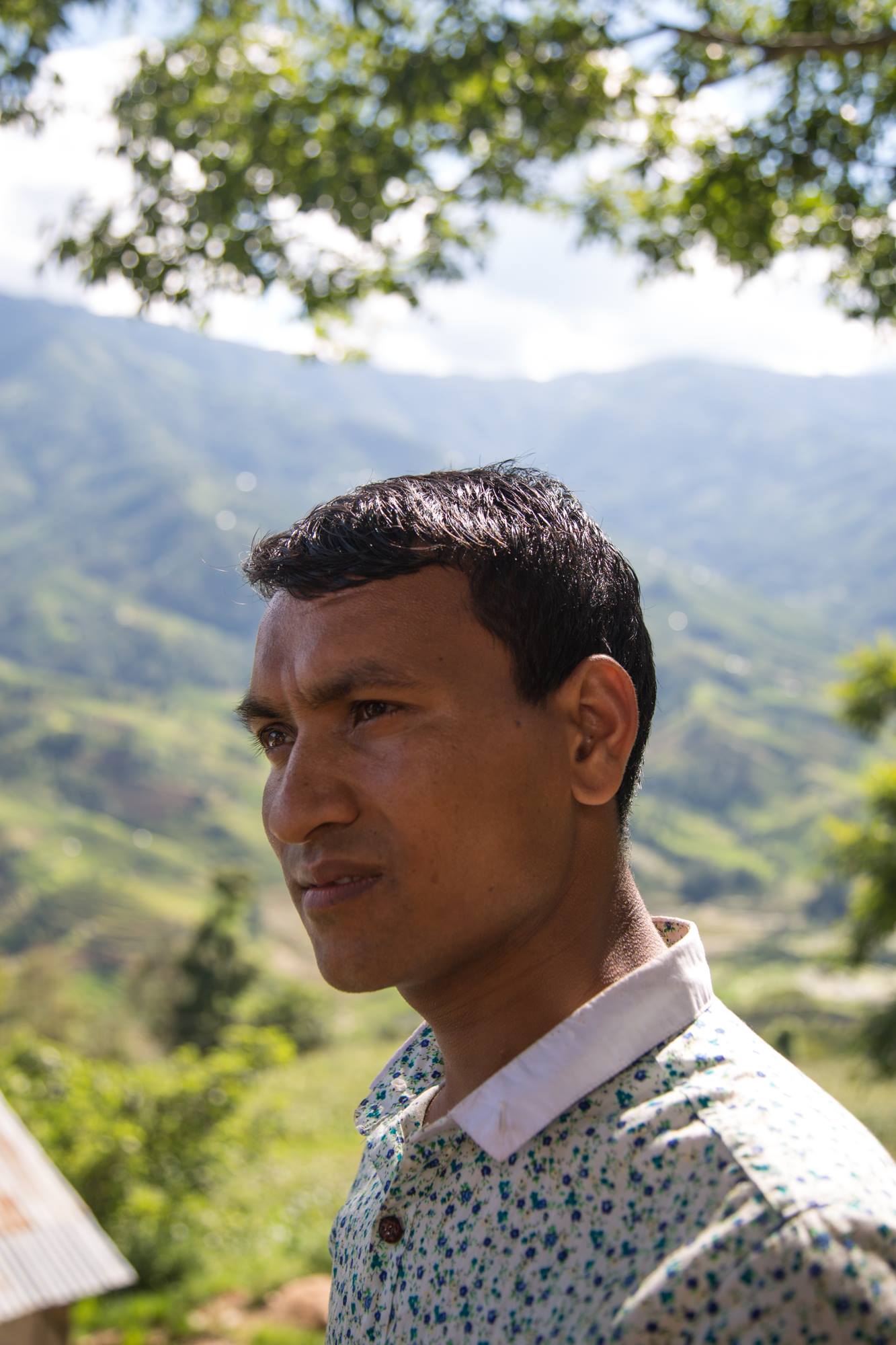
- Another community member had recently returned from foreign employment in Malaysia. He had used local agents who connected him to a manpower agency, where he signed a contract and took out various loans to travel. When he reached Malaysia, however, he discovered that the work was primarily hard labor that was not part of his contract. He resigned after a few months as a result but has not yet been able to collect any compensation from the Nepali Department of Foreign Employment for his losses. He is reluctant to report his case, as the agents who referred him to the manpower agency are family members.
- A number of people also spoke about houses they had built after the earthquake that did not meet the government’s criteria for reconstruction—and these survivors were now being denied reconstruction funds. Many had been given a small amount to start their reconstruction, but now had insufficient money or land to finish constructing their houses.
Related Content
From Our Library
Subscribe
Join our community
Subscribe for updates on new programs, stories of change, and upcoming events from across our global, translocal network.