Author: admin | Share
Five ways to make regional collaborations meaningful
Accountability Lab Nepal (ALN) and Manusher Jonno Foundation (MJF) are collaborating to promote youth engagement in democracy in Nepal and Bangladesh, respectively. The goal is to build and strengthen diverse and pluralistic networks of youth leaders through targeted support, collective learning and shared best practices to strengthen democracy.
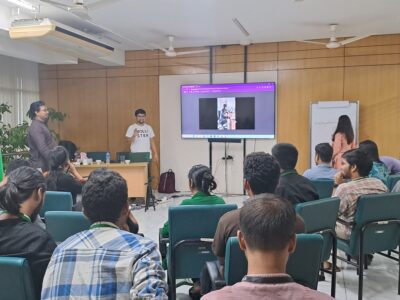
This blog is based on a joint reflection between the program implementation teams during a learning exchange visit from Nepal to Bangladesh and summarizes the value of meaningful collaborations.This blog also highlights how young people from Nepal and Bangladesh uniquely catalyze their role to strengthen democracies, advance social changes and support innovation.
 Why are regional collaborations important?
Regional collaboration establishes partnerships between organizations of two or more countries in the same region to support and amplify each other’s work. Belonging to the same region, we often face similar challenges and limitations. Collaborations help us leverage resources and expertise to address challenges that transcend national boundaries by sharing best practices and learning from each other’s successes and failures.
However, regional collaborations also have their own limitations and challenges. Organizations with different goals, values, and contextual experiences must work together toward a similar vision. Here are five ways to make regional collaborations meaningful and effective.
Why are regional collaborations important?
Regional collaboration establishes partnerships between organizations of two or more countries in the same region to support and amplify each other’s work. Belonging to the same region, we often face similar challenges and limitations. Collaborations help us leverage resources and expertise to address challenges that transcend national boundaries by sharing best practices and learning from each other’s successes and failures.
However, regional collaborations also have their own limitations and challenges. Organizations with different goals, values, and contextual experiences must work together toward a similar vision. Here are five ways to make regional collaborations meaningful and effective.
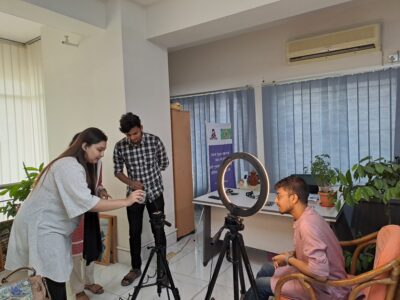 ALN engages at the individual level targeting young people to support and expand their civic engagement initiatives, build their organizational capacity and profile, and connect them with other young activists or community leaders through different platforms and networks. MJF takes a different approach by targeting more extensive youth networks to strengthen youth-led local organizations. There is a lot to learn from each other’s approaches.
MJF is replicating ALN’s approach to convening youth by creating platforms for them to engage and create synergies. “We work in isolation, and the platform MJF is providing us is helping us connect to other organizations,” explained one leader of a local organization MJF is supporting. “There is a lot of scope for knowledge sharing, learning, and collaboration. We didn’t have such platforms before.”
Similarly, ALN is inspired by the youth organizations in Bangladesh promoting good governance through their innovative approaches. Brighters Society Bangladesh, a youth-led organization in MJF’s network, has been voluntarily advocating for climate justice since 2016. Later, they formed a Youth Coalition For Climate Justice with the government. The idea of youth collaborating directly with the government can be a best practice for youth and organizations working with ALN to emulate as a best practice.
ALN engages at the individual level targeting young people to support and expand their civic engagement initiatives, build their organizational capacity and profile, and connect them with other young activists or community leaders through different platforms and networks. MJF takes a different approach by targeting more extensive youth networks to strengthen youth-led local organizations. There is a lot to learn from each other’s approaches.
MJF is replicating ALN’s approach to convening youth by creating platforms for them to engage and create synergies. “We work in isolation, and the platform MJF is providing us is helping us connect to other organizations,” explained one leader of a local organization MJF is supporting. “There is a lot of scope for knowledge sharing, learning, and collaboration. We didn’t have such platforms before.”
Similarly, ALN is inspired by the youth organizations in Bangladesh promoting good governance through their innovative approaches. Brighters Society Bangladesh, a youth-led organization in MJF’s network, has been voluntarily advocating for climate justice since 2016. Later, they formed a Youth Coalition For Climate Justice with the government. The idea of youth collaborating directly with the government can be a best practice for youth and organizations working with ALN to emulate as a best practice.
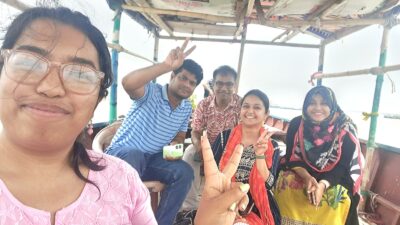 For instance, ALN provides insights on effective communication and outreach of the products developed by MJF and other youth-led organizations through different social media platforms. Similarly, the MJF team provides an alternate approach to narrowing down democratic themes concerning youth.
For instance, Nonditasurokkha, an organization in Bangladesh working for women’s empowerment, was determined to advocate for cyber security issues as it is one of the most important emerging concerns of youth in Bangladesh where the rights of different groups, including women and LGBTQI communities, are violated.
They have provided real-time stories from the ground to the government to help them understand the issue’s urgency—the approach of bringing issues related to the youth differs from ALN’s approach of using thematic youth-group consultations.
For instance, ALN provides insights on effective communication and outreach of the products developed by MJF and other youth-led organizations through different social media platforms. Similarly, the MJF team provides an alternate approach to narrowing down democratic themes concerning youth.
For instance, Nonditasurokkha, an organization in Bangladesh working for women’s empowerment, was determined to advocate for cyber security issues as it is one of the most important emerging concerns of youth in Bangladesh where the rights of different groups, including women and LGBTQI communities, are violated.
They have provided real-time stories from the ground to the government to help them understand the issue’s urgency—the approach of bringing issues related to the youth differs from ALN’s approach of using thematic youth-group consultations.
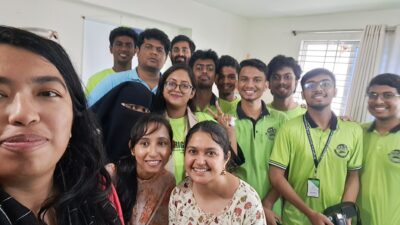 Regional collaboration opens avenues for sharing knowledge, skills, and resources. ALN’s experience working on accountability and governance issues has helped provide insights to MJF on diverse ways of engaging and building trust with the government.
Similarly, MJF’s work with youth-led organizations is helping the Nepal team understand ways to engage and build trust with youth-led organizations so they can play a role in advancing democracy in their communities. The collaboration is not only limited to the two organizations but also brings forward the opportunity to promote networking for both the teams and individuals associated with each organization.
There can be a lot of learning exchanges and collaborations among the youth networks of MJF and ALN – be it Travelettes of Bangladesh, who are empowering women through travel in Bangladesh, or the digital movement such as Untold Period Stories promoting dignified menstruation in Nepal.
Regional collaboration opens avenues for sharing knowledge, skills, and resources. ALN’s experience working on accountability and governance issues has helped provide insights to MJF on diverse ways of engaging and building trust with the government.
Similarly, MJF’s work with youth-led organizations is helping the Nepal team understand ways to engage and build trust with youth-led organizations so they can play a role in advancing democracy in their communities. The collaboration is not only limited to the two organizations but also brings forward the opportunity to promote networking for both the teams and individuals associated with each organization.
There can be a lot of learning exchanges and collaborations among the youth networks of MJF and ALN – be it Travelettes of Bangladesh, who are empowering women through travel in Bangladesh, or the digital movement such as Untold Period Stories promoting dignified menstruation in Nepal.
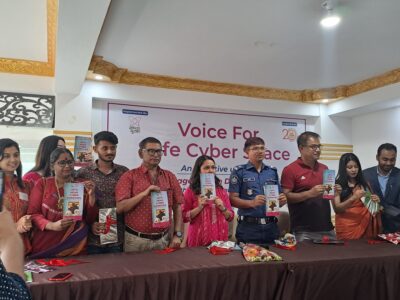 For instance, while the two organizations work in different contexts, the challenges of working with youth are the same. With the growing interest of young people in digital platforms, engaging youth through such platforms is essential. However, young people also need creative, innovative ways to keep their attention and interest on contemporary socio-political issues. This challenge exists in both countries. MJF’s idea of utilizing social media influencers to motivate young people to create content on democracy is commendable.
On the contrary, ALN primarily engaged individuals from technical backgrounds to provide similar content creation training. Although these training sessions were practical, they had a different impact than MJF’s approach. It became apparent that teaching young people skills through individuals who inspire them and whom they admire serves as a powerful motivator to keep them engaged.
For instance, while the two organizations work in different contexts, the challenges of working with youth are the same. With the growing interest of young people in digital platforms, engaging youth through such platforms is essential. However, young people also need creative, innovative ways to keep their attention and interest on contemporary socio-political issues. This challenge exists in both countries. MJF’s idea of utilizing social media influencers to motivate young people to create content on democracy is commendable.
On the contrary, ALN primarily engaged individuals from technical backgrounds to provide similar content creation training. Although these training sessions were practical, they had a different impact than MJF’s approach. It became apparent that teaching young people skills through individuals who inspire them and whom they admire serves as a powerful motivator to keep them engaged.
Why are regional collaborations important?
Regional collaboration establishes partnerships between organizations of two or more countries in the same region to support and amplify each other’s work. Belonging to the same region, we often face similar challenges and limitations. Collaborations help us leverage resources and expertise to address challenges that transcend national boundaries by sharing best practices and learning from each other’s successes and failures.
However, regional collaborations also have their own limitations and challenges. Organizations with different goals, values, and contextual experiences must work together toward a similar vision. Here are five ways to make regional collaborations meaningful and effective.
- Finding common ground
- Learning from each other’s strengths
ALN engages at the individual level targeting young people to support and expand their civic engagement initiatives, build their organizational capacity and profile, and connect them with other young activists or community leaders through different platforms and networks. MJF takes a different approach by targeting more extensive youth networks to strengthen youth-led local organizations. There is a lot to learn from each other’s approaches.
MJF is replicating ALN’s approach to convening youth by creating platforms for them to engage and create synergies. “We work in isolation, and the platform MJF is providing us is helping us connect to other organizations,” explained one leader of a local organization MJF is supporting. “There is a lot of scope for knowledge sharing, learning, and collaboration. We didn’t have such platforms before.”
Similarly, ALN is inspired by the youth organizations in Bangladesh promoting good governance through their innovative approaches. Brighters Society Bangladesh, a youth-led organization in MJF’s network, has been voluntarily advocating for climate justice since 2016. Later, they formed a Youth Coalition For Climate Justice with the government. The idea of youth collaborating directly with the government can be a best practice for youth and organizations working with ALN to emulate as a best practice.
- Incorporating feedback and new perspectives
For instance, ALN provides insights on effective communication and outreach of the products developed by MJF and other youth-led organizations through different social media platforms. Similarly, the MJF team provides an alternate approach to narrowing down democratic themes concerning youth.
For instance, Nonditasurokkha, an organization in Bangladesh working for women’s empowerment, was determined to advocate for cyber security issues as it is one of the most important emerging concerns of youth in Bangladesh where the rights of different groups, including women and LGBTQI communities, are violated.
They have provided real-time stories from the ground to the government to help them understand the issue’s urgency—the approach of bringing issues related to the youth differs from ALN’s approach of using thematic youth-group consultations.
- Sharing knowledge, skills, resources and networks
Regional collaboration opens avenues for sharing knowledge, skills, and resources. ALN’s experience working on accountability and governance issues has helped provide insights to MJF on diverse ways of engaging and building trust with the government.
Similarly, MJF’s work with youth-led organizations is helping the Nepal team understand ways to engage and build trust with youth-led organizations so they can play a role in advancing democracy in their communities. The collaboration is not only limited to the two organizations but also brings forward the opportunity to promote networking for both the teams and individuals associated with each organization.
There can be a lot of learning exchanges and collaborations among the youth networks of MJF and ALN – be it Travelettes of Bangladesh, who are empowering women through travel in Bangladesh, or the digital movement such as Untold Period Stories promoting dignified menstruation in Nepal.
- Learning from failed stories, struggles, and challenges
For instance, while the two organizations work in different contexts, the challenges of working with youth are the same. With the growing interest of young people in digital platforms, engaging youth through such platforms is essential. However, young people also need creative, innovative ways to keep their attention and interest on contemporary socio-political issues. This challenge exists in both countries. MJF’s idea of utilizing social media influencers to motivate young people to create content on democracy is commendable.
On the contrary, ALN primarily engaged individuals from technical backgrounds to provide similar content creation training. Although these training sessions were practical, they had a different impact than MJF’s approach. It became apparent that teaching young people skills through individuals who inspire them and whom they admire serves as a powerful motivator to keep them engaged.
Related Content
From Our Library
Subscribe
Join our community
Subscribe for updates on new programs, stories of change, and upcoming events from across our global, translocal network.