Author: Sheena Adams | Share
Six key takeaways from Gov-HER-Nance in Pakistan!
Written by Farhan Khalid
Pakistan was ranked as the second-worst country in terms of gender parity (145 out of 146 countries) in the Global Gender Gap/Parity Report released by the World Economic Forum in July 2022. Out of the four key indicators that form the basis of the gender parity index – including Educational Attainment, Health, and Survival, Political Empowerment, and Economic Participation and Opportunity – the country ranked 145th on economic participation and opportunity and 143rd on health and survival.
It could be argued that the Covid-19 pandemic, apart from other ongoing factors, played a vital role in these alarmingly low numbers on the gender parity index, keeping in mind the significant loss of employment and livelihood opportunities for women, serious disruption of health services, closure of educational institutes and withdrawal of children from schools, especially female students.
Additionally, due to the cultural dynamics and patriarchal social structures, most of the major decisions for women are made by the older and male members of the family. This is one of the key obstacles preventing women from accessing validated information and making informed decisions for themselves and their children. These dynamics have also played an important role in women not getting vaccinated during the pandemic, further impacting their health and survival.
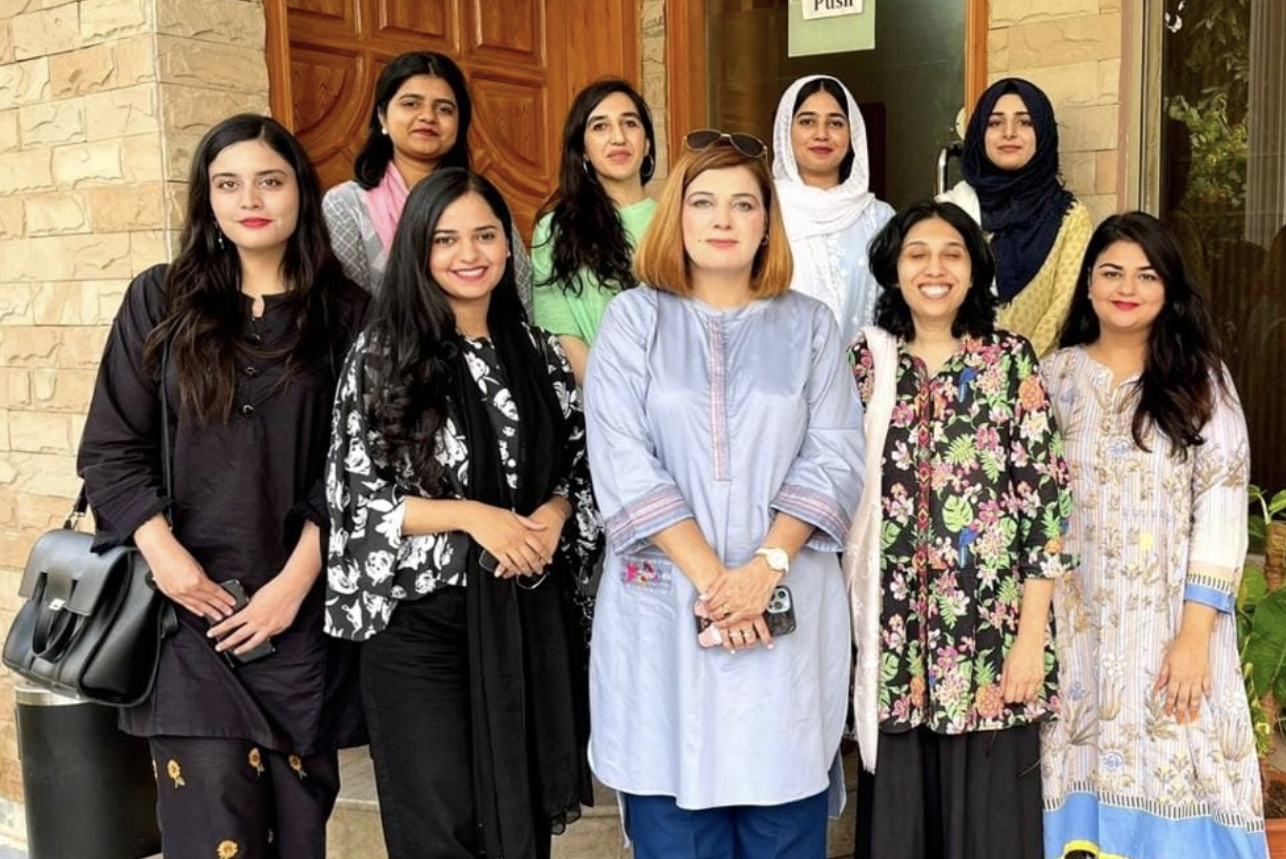
Accountability Lab, in collaboration with the Department of Health KP, initiated the Gov-HER-Nance project in December 2021 in three districts of Khyber Pakhtunkhwa including Mardan, Nowshera, and Peshawar. The project aimed to (a) strengthen the voice of marginalized women in matters affecting their well-being and shift policies that relate to issues affecting their health during health emergencies; (b) improve the delivery of support services by national and provincial authorities; and (c) increase awareness among marginalized populations regarding Covid-19-related health and hygiene practices and available support services.
The project has directly engaged over 2500 women from the most vulnerable communities in the project districts through interventions including capacity-building workshops focusing on leadership, communication and advocacy skills, and countering misinformation. The project also provided communication and outreach support to the department of health in KP through digital media and radio campaigns; town hall meetings for effective community feedback; and community awareness sessions with local women and elders to counter misinformation regarding COVID-19, reaching an estimated
500 000 people.
This blog shares six of our key takeaways below, including best practices learnt and what to do to ensure gender equity and inclusion when it comes to health policies in Pakistan.
- Mainstreaming women in decision-making is the key for improved service delivery
- Women have severely limited access to some public services
- Partnerships between governments and civil society yield impressive results
- Ownership of the project by communities is vital for the project’s success
- Creating direct linkages between Government Departments and communities often leads to the immediate redress of issues
- Initiatives like Gov-HER-Nance could be replicated in other districts and provinces
Related Content
From Our Library
Subscribe
Join our community
Subscribe for updates on new programs, stories of change, and upcoming events from across our global, translocal network.