Author: Sheena Adams | Share
5 things we learned about engaging young activists in Zimbabwe, El Salvador, Ukraine & Morocco
Written by Alawi Masud and Cheri-Leigh Erasmus
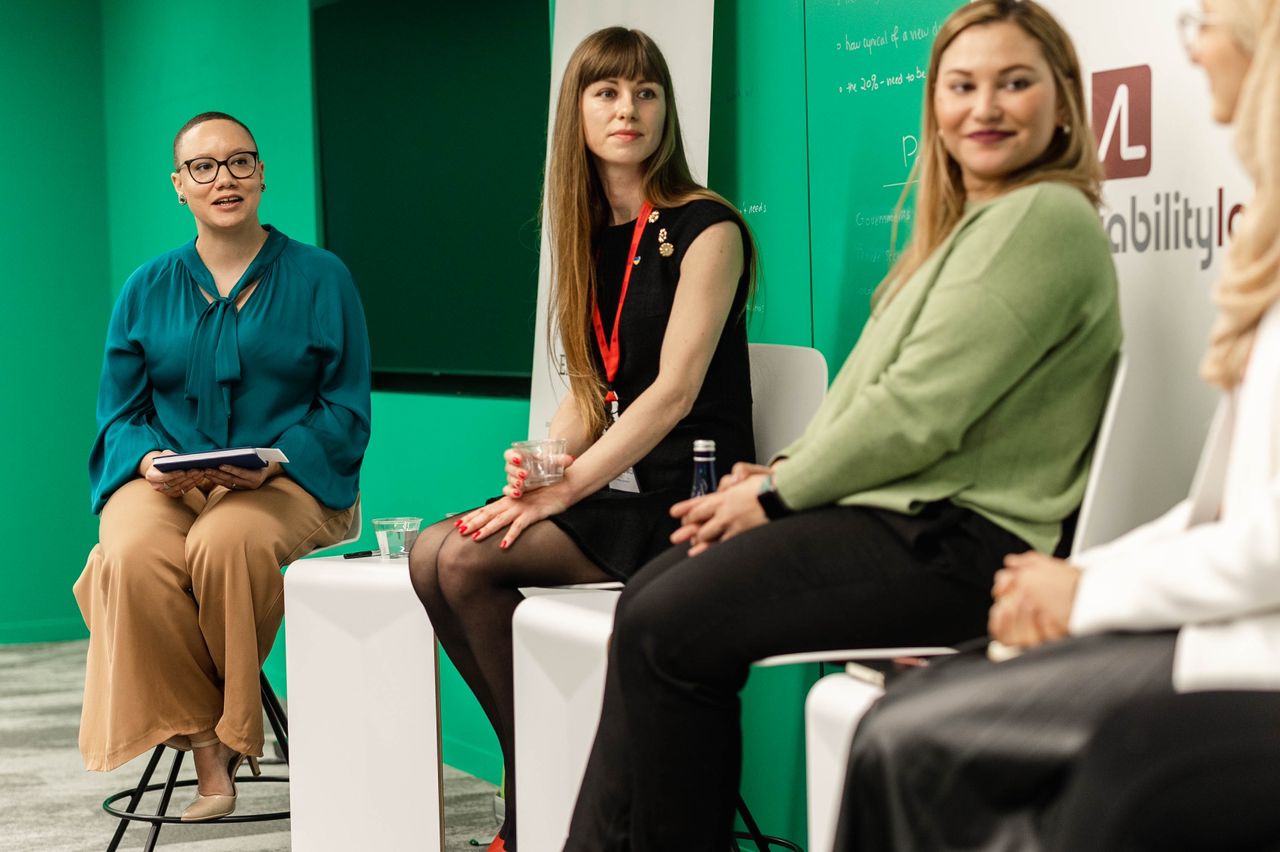
Accountability Lab and the IRI Generation Democracy Program recently hosted a panel of 4 young change-makers to discuss youth leadership in times of democratic crises (watch the stream on Voice of America here). Mantate Queeneth Mlotshwa, Kateryna Dvornichenko, Khadija Amahal, and Lourdes Maria Argueta Vides discussed the current state of youth and civic space, the barriers that young people face, how to get youth involved, and the power of intergenerational collaboration. The young leaders shared extensively about their lived experiences pushing for positive change in their countries. Here are 5 lessons we learned from them.
 “When young people see the results of actions, they become more interested, more motivated, and more engaged. Due to this, there needs to be more space for young people to tell stories of how they’re engaged in democracy. We must allow young people to share stories about how they make a change, or create an initiative within a local or national context. Storytelling allows people to see the realities and the kind of challenges that we have, and how we react to these challenges in our communities.”
Education plays a key role as well. Khadija makes an apt point when she states that if we don’t understand our past, we won’t be convinced about the need to change our current realities. However, there is a lot of work to be done. Khadijah believes that investment in more creative ways to teach history and other social sciences can contribute to better understanding of governance and social issues.
“Presenting history in a fun new way could really encourage young people to understand how hard the previous generation has worked towards creating the peace that we have today. It would inspire them to continue to act and to really be motivated to create better circumstances for future generations.”
“When young people see the results of actions, they become more interested, more motivated, and more engaged. Due to this, there needs to be more space for young people to tell stories of how they’re engaged in democracy. We must allow young people to share stories about how they make a change, or create an initiative within a local or national context. Storytelling allows people to see the realities and the kind of challenges that we have, and how we react to these challenges in our communities.”
Education plays a key role as well. Khadija makes an apt point when she states that if we don’t understand our past, we won’t be convinced about the need to change our current realities. However, there is a lot of work to be done. Khadijah believes that investment in more creative ways to teach history and other social sciences can contribute to better understanding of governance and social issues.
“Presenting history in a fun new way could really encourage young people to understand how hard the previous generation has worked towards creating the peace that we have today. It would inspire them to continue to act and to really be motivated to create better circumstances for future generations.”

- Young people are taking charge of their future
- Creative messaging can create trust
“When young people see the results of actions, they become more interested, more motivated, and more engaged. Due to this, there needs to be more space for young people to tell stories of how they’re engaged in democracy. We must allow young people to share stories about how they make a change, or create an initiative within a local or national context. Storytelling allows people to see the realities and the kind of challenges that we have, and how we react to these challenges in our communities.”
Education plays a key role as well. Khadija makes an apt point when she states that if we don’t understand our past, we won’t be convinced about the need to change our current realities. However, there is a lot of work to be done. Khadijah believes that investment in more creative ways to teach history and other social sciences can contribute to better understanding of governance and social issues.
“Presenting history in a fun new way could really encourage young people to understand how hard the previous generation has worked towards creating the peace that we have today. It would inspire them to continue to act and to really be motivated to create better circumstances for future generations.”
- Civic Education is key
- Inter-Generational Dialogue and Support is Important
- The Packaging Matters
Related Content
From Our Library
Subscribe
Join our community
Subscribe for updates on new programs, stories of change, and upcoming events from across our global, translocal network.