Author: eedev | Share
Learning to Transform Governance in the Philippines
Learning to Transform Governance in the Philippines
 By: Blair Glencorse, Accountability Lab Executive Director.
Last week I was part of the latest Making All Voices Count (MAVC) learning event in Manila—which brought together about 60 of the initiative’s grantees, researchers, technologists and other stakeholders to reflect on the theme of “transformative governance”. The first point to make is that as a learning event—with a real emphasis on reflecting, sharing and improving what we do, it was the best workshop I’ve been to in a long time. The content, team and process kept me fully engaged from start to finish and I came away thinking hard about how the Accountability Lab does its work and where that fits into the larger accountability ecosystem.
The term “transformative governance” throws up some fairly large questions in itself, of course (transformative for who and how?) and there is certainly more to be written on those at some point. In more practical terms, however, here are some of the initial ideas and broad questions I’m thinking about as they may relate to our work as I leave Manila:
i) There is a new realism around the use of ICT for accountability: most of the MAVC grantees use technology tools as part of their efforts. Unlike several years ago when the civic tech movement was in full swing, there does now seem to be a recognition that the effectiveness of these tools can be limited and that they have to be one part of a much larger strategy for change. Recent IDS research that underpinned the workshop has shown that many organizations have no strategy at all for choosing the technology tools they use, and that in any case these tools may be highly limited in their ability to generate accountability. Going forward, how can we make sure that context and constituents rather than fads and funding drive the choice of ICT tools?
ii) The value of technology may be in efficiency and sustainability, not accountability: we visited the Philippines Department of Budget and Management (responsible for the Philippines efforts as part of the Open Government Partnership) and saw some of the incredible progress the team has made to open–up data to citizens. But very few citizens are actually using this data, and the value of the process at this point may actually be in the supply-side impacts it creates. The Government of the Philippines has used the process intelligently to digitize systems, track budgets and scale-up data-driven policy-making, which over time can generate important efficiency gains. Should we be using this argument more frequently—instead of the “accountability to citizens” line—with other countries we hope will open-up governance?
iii) Transformative governance is generational: despite knowing better, we as a community can too-often fall into short-term value judgments about the effectiveness of efforts to transform governance in a specific context. Our Filipino friends reminded me clearly that building accountability is not for the faint hearted: change can take decades and all governance reforms build upon a complex history of previous work on these issues. At the same time, a new generation of accountability change-makers—which was certainly highly visible in Manila—is emerging within government and civil society, and this group is committed to doing things differently. How can we best engage and support them to transform governance?
By: Blair Glencorse, Accountability Lab Executive Director.
Last week I was part of the latest Making All Voices Count (MAVC) learning event in Manila—which brought together about 60 of the initiative’s grantees, researchers, technologists and other stakeholders to reflect on the theme of “transformative governance”. The first point to make is that as a learning event—with a real emphasis on reflecting, sharing and improving what we do, it was the best workshop I’ve been to in a long time. The content, team and process kept me fully engaged from start to finish and I came away thinking hard about how the Accountability Lab does its work and where that fits into the larger accountability ecosystem.
The term “transformative governance” throws up some fairly large questions in itself, of course (transformative for who and how?) and there is certainly more to be written on those at some point. In more practical terms, however, here are some of the initial ideas and broad questions I’m thinking about as they may relate to our work as I leave Manila:
i) There is a new realism around the use of ICT for accountability: most of the MAVC grantees use technology tools as part of their efforts. Unlike several years ago when the civic tech movement was in full swing, there does now seem to be a recognition that the effectiveness of these tools can be limited and that they have to be one part of a much larger strategy for change. Recent IDS research that underpinned the workshop has shown that many organizations have no strategy at all for choosing the technology tools they use, and that in any case these tools may be highly limited in their ability to generate accountability. Going forward, how can we make sure that context and constituents rather than fads and funding drive the choice of ICT tools?
ii) The value of technology may be in efficiency and sustainability, not accountability: we visited the Philippines Department of Budget and Management (responsible for the Philippines efforts as part of the Open Government Partnership) and saw some of the incredible progress the team has made to open–up data to citizens. But very few citizens are actually using this data, and the value of the process at this point may actually be in the supply-side impacts it creates. The Government of the Philippines has used the process intelligently to digitize systems, track budgets and scale-up data-driven policy-making, which over time can generate important efficiency gains. Should we be using this argument more frequently—instead of the “accountability to citizens” line—with other countries we hope will open-up governance?
iii) Transformative governance is generational: despite knowing better, we as a community can too-often fall into short-term value judgments about the effectiveness of efforts to transform governance in a specific context. Our Filipino friends reminded me clearly that building accountability is not for the faint hearted: change can take decades and all governance reforms build upon a complex history of previous work on these issues. At the same time, a new generation of accountability change-makers—which was certainly highly visible in Manila—is emerging within government and civil society, and this group is committed to doing things differently. How can we best engage and support them to transform governance?
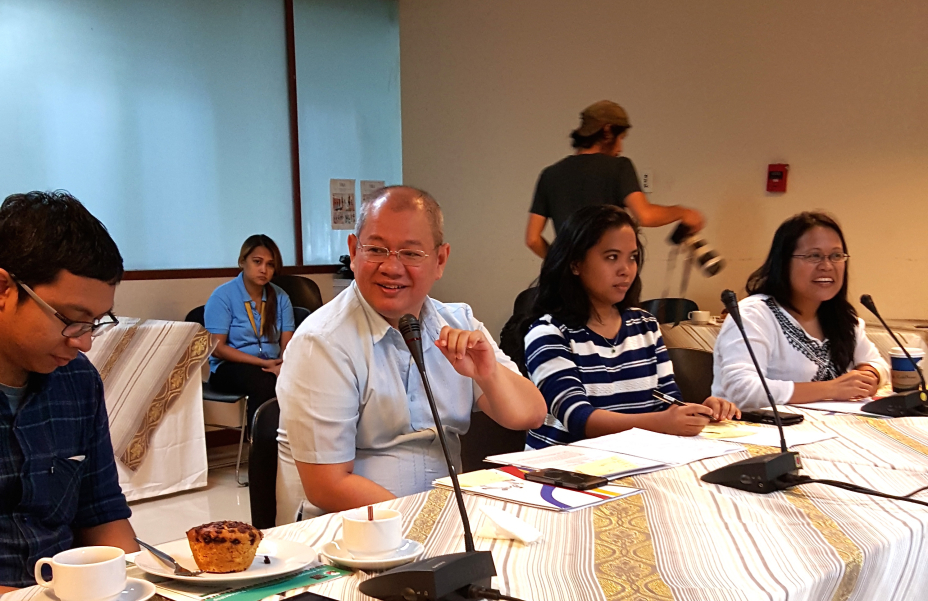
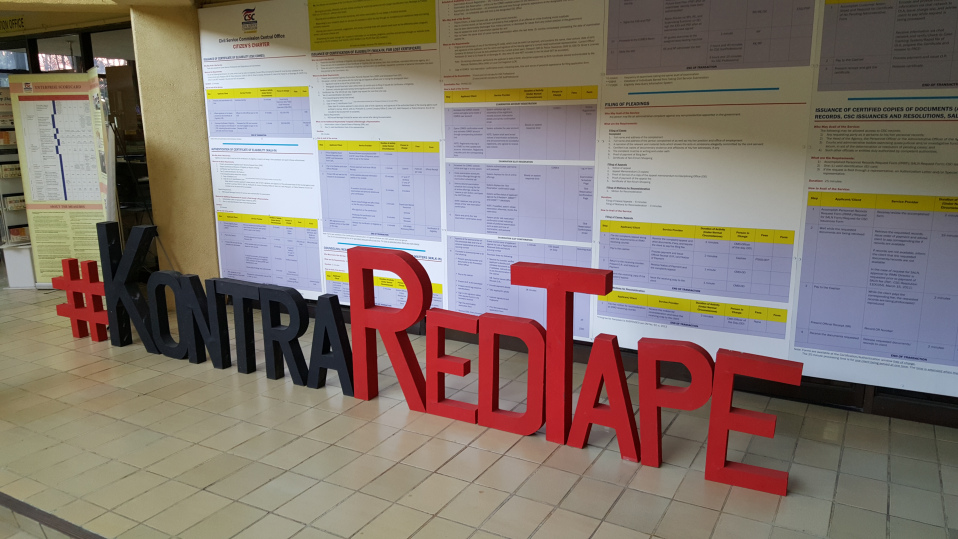
Chatting to the Department of Budget and Management at the Government of the Philippines about the OGP
Related Content
From Our Library
Subscribe
Join our community
Subscribe for updates on new programs, stories of change, and upcoming events from across our global, translocal network.