Author: eedev | Share
Nepal Mobile Citizen Helpdesks August Update
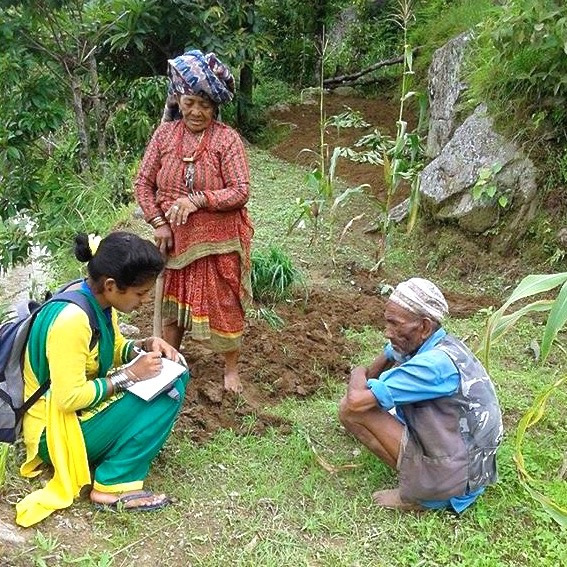
 The Mobile Citizen Helpdesks (#quakehelpdesk) are coordinated groups of volunteers who are closing information gaps and building feedback loops in the worst-affected areas of post-earthquake Nepal. The Accountability Lab and Local Interventions Group launched the Helpdesks within 24 hours of the first earthquake on April 25th. Our volunteers immediately began meeting with citizens to gather information, assess needs, and help them solve difficult problems related to the earthquake. In this way they solved hundreds of problems for citizens across the country–from helping those who could not write fill in the relevant forms to access relief, to working with political parties to make sure aid was distributed fairly and not along partisan lines.
Now, the volunteers are continuing to do three things:
1. Collect feedback from citizens and officials on key challenges and opportunities in the relief efforts to inform the international response; and disseminate information to help them solve problems. You can read a summary report of the first three-months of this process here, a summary infographic here; and the raw data here. The data indicates some critical issues with the recovery process, including the fact that:
The Mobile Citizen Helpdesks (#quakehelpdesk) are coordinated groups of volunteers who are closing information gaps and building feedback loops in the worst-affected areas of post-earthquake Nepal. The Accountability Lab and Local Interventions Group launched the Helpdesks within 24 hours of the first earthquake on April 25th. Our volunteers immediately began meeting with citizens to gather information, assess needs, and help them solve difficult problems related to the earthquake. In this way they solved hundreds of problems for citizens across the country–from helping those who could not write fill in the relevant forms to access relief, to working with political parties to make sure aid was distributed fairly and not along partisan lines.
Now, the volunteers are continuing to do three things:
1. Collect feedback from citizens and officials on key challenges and opportunities in the relief efforts to inform the international response; and disseminate information to help them solve problems. You can read a summary report of the first three-months of this process here, a summary infographic here; and the raw data here. The data indicates some critical issues with the recovery process, including the fact that:
- Key needs are not being addressed and satisfaction with the response of the government and donors is low;
- Citizens do not have the information they need to navigate the relief process, nor do they feel they are being heard by those in power;
- Aid is not being provided in fair or equal ways and problems affecting women in particular are not being addressed effectively.
 2. Track rumors and perceptions on the ground to eliminate information gaps between the media, humanitarian agencies and citizens through OpenMic Nepal. During a crisis, survivors are faced with many uncertainties and questions. Each week, our volunteers speak to up to 450 people (in 74 locations to date) and then geo-locate, analyze, and report on the most pressing or common concerns. Bulletins with verified information on these concerns are released and posted in villages, local government offices and used by local community radio stations. They are sent on a weekly basis to 440 contacts at humanitarian agencies and 221 radio stations. Critical issues addressed so far include:
- Eligibility for financial support for the government, including grants and load to rebuild houses destroyed in the earthquakes;
- Information around the delivery of services in local communities and how/when citizens are eligible for support;
- Facts around earthquakes themselves- and the likelihood that Nepal will suffer from further aftershocks.
Related Content
From Our Library
Subscribe
Join our community
Subscribe for updates on new programs, stories of change, and upcoming events from across our global, translocal network.